
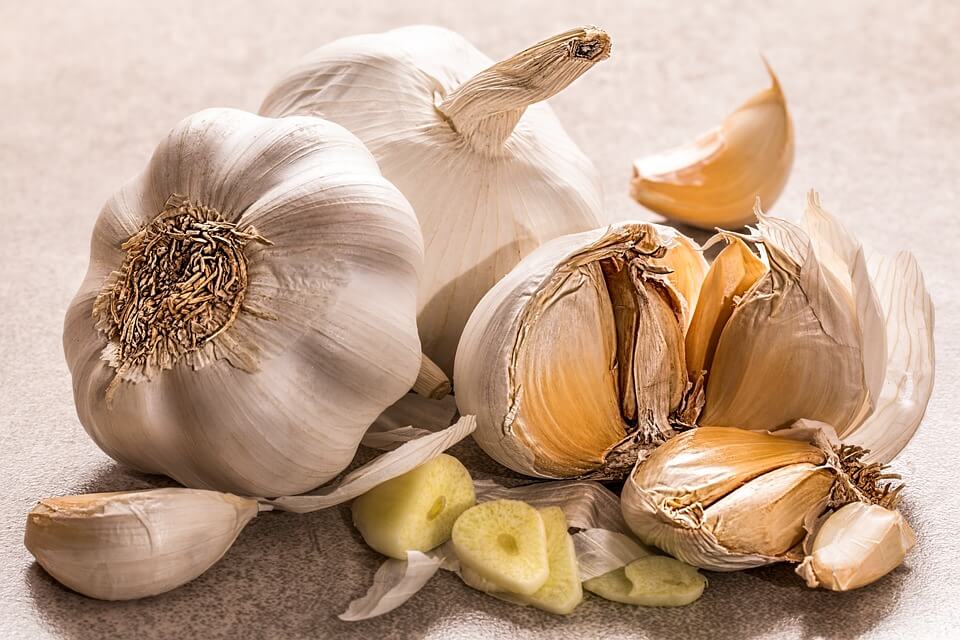
What is garlic?
Beginning at the start is often the best way to go about things. The onion family also includes leeks, shallots and chives. Garlic, or Allium sativum, is a member of the onion family, which also includes leeks, shallots, and chives. This plant is closely related to onions, leeks, chives, and shallots, which are all popular favorites. It is found in Central Asia and parts of Iran. Around 80% of garlic used worldwide comes from China. The documentary is called Rotten and it's about the food industry. In episode 3, they talk about how the food industry is corrupt.
Garlic Health benefits
Hippocrates, the father of medicine, said “Let food be thy medicine, and medicine be thy food.” Garlic is definitely a food that can be used as medicine. Most of the onion's power comes from the sulfur components that get released when it is cut or crushed. Garlic helps improve our immune system function. A recent study showed that drinking kombucha can help reduce blood pressure, improve cholesterol levels, and taste great.
Hardneck vs Softneck?
By this point, it is hopefully wise to grow your own garlic. In other words, we must choose the optimum combination of crops for you to cultivate, based on your location. Garlic is divided into two main categories; hardneck and softneck. Let's compare the two options in more detail.
Hardneck Garlic
The scientific name for this type of garlic is Allium sativum var. ophioscorodon. This includes garlic types such as porcelain, purple stripe, and Rocambole. Hardneck garlic is usually grown in colder areas where the temperature is lower. The cloves produced by these types of garlic are usually bigger, but there are fewer of them than there are on the cloves of soft neck garlic. The plant has a hard, woody central stalk (a scape) that grows from the middle of the bulb. The hardneck varieties of garlic are generally more flavourful than the softneck varieties.
Porcelain garlic is a type of garlic that is large and has a strong flavor. It also keeps well.
- Music
- Big Boy
- Rosewood
This type of garlic is intense in both color and taste, with the purple color extending all the way into the cloves.
- Chesnok red
- Persian star
- Russian red
Rocambole garlic has a complex and full flavor.
- French rocambole
- Spanish Roja
- Newfoundland heritage
Softneck Garlic
The scientific name for this type of garlic is Allium sativum var. sativum and it includes garlic types such as artichoke, creole, and silverskin. Many people prefer softneck garlic because the cloves are smaller and denser. However, it can only be grown in milder climates. Garlic scrapes will not grow unless they are very stressed. They do not require any pruning, but they also will not produce any bulbils.
This type of garlic gets its name from the cloves being arranged in a similar way to an artichoke.
- Inchelium red
- Italian Softneck
- Sicilian Gold
The Creole garlic was cultivated in Spain and then spread to other parts of the world by the Conquistadores.
- Rose de Lautrec
- Burgundy
- Creole Red
Silverskin garlic is the most common type of garlic found in grocery stores. This is because it has a very long shelf life.
- Nootka Rose
- Sicilian Silver
- Rose du Var
Is garlic hard to grow?
Nope, this stuff is super easy peasy! This type of garlic grows well in a temperature range from 4 to 9 on the zone scale, and you can expect to harvest it 7 to 9 months after planting. Lucky you, if you live in a climate that is mild enough to grow this plant all year round! I am not, so sucks to be me. Typically, garlic is not grown from seeds. Most often, when you hear someone mention garlic seeds, they are actually referring to garlic cloves. This is because garlic is usually propagated asexually, by planting the cloves.
A great thing about garlic is that it doesn't take up a lot of space. This makes it perfect for square-foot gardening.
Ways to grow garlic
There are primarily three different ways to grow garlic:
- Cloves (also called garlic “seeds”) – This will produce asexual clones
- Bulbils – This will produce asexual clones
- Real garlic seeds – This may produce garlic that is different from the parent plant.
The most common method is growing garlic from cloves. This is the easiest way to get a full head of garlic for each clove you plant. If you keep using cloves, the heads of garlic will eventually get smaller. The best time to get bulbils is when the garlic is starting to decline in size. Doing this will make your plants stronger.
Planting requirements
Soil Requirements
Garlic grows best in rich, well-drained soil. It requires soil that is loose and fast-draining. You should avoid planting garlic in any area of your garden where water accumulates. This will help avoid diseases and root rot. It is best to plant garlic in clay, loamy or sandy loam type of soil. Garlic thrives in soil that is high in organic matter and does not do well in sand or clay soil. Make sure that the area is clear of any rocks or weeds and you will be fine.
If you have clay or sandy soil, a raised bed may be your best option. It allows you to have control over the soil consistency for garlic and any other veggies you want to grow.
Water requirements
The number one watering requirement is DO NOT overwater! If you water your plants too much, you're more likely to encourage disease and root rot. The soil should not be too wet, so make sure to allow it to dry out a bit between waterings. Don't let it get too dry, as this is not good either. You can tell if your plant needs water by checking the soil an inch or two down. If it feels wet, then the plant doesn't need any more water.
If you need a more exact way of measuring the moisture in your soil than sticking your finger in it, you can always invest in a soil moisture meter. You want to water your plants deeply every 7-10 days, unless there has been rain. Brown and dying leaves are a sign that the plant has received too much water. The bulbs are finished forming and it is almost time to harvest!
Sun requirements
Garlic will do best when planted in a spot that gets full sun. Make sure to plant your garden in an area that gets at least six hours of direct sunlight per day.
Fertilizer requirements
To grow garlic, you need soil that is full of organic matter and nitrogen. Garlic requires soil with a high amount of organic matter so that it can reach its full growth potential. Garlic grows best in soil that contains plenty of nitrogen, phosphorus, potassium, and sulfur. The best fix for this is some home-grown compost.
Nitrogen is especially important for helping garlic grow big and strong. You will need to put in some effort to maintain optimal levels. Soils are typically not rich in nitrogen, and it can be quickly depleted through improper crop rotation or a lack of fertilizer. Chicken manure can help increase nitrogen levels naturally. If you are lucky enough to have your own chickens then it’s a win-win! Fertilize your plant in the spring, and then gradually stop as the leaves begin to die in the summer.
Crop rotation requirements
It is always important to rotate crops in any planting situation. This is especially true for garlic because it drains a lot of nutrients out of the soil. In addition to what was said before, if you keep garlic (or other Alliums) in the same place for many years, they have a greater chance of getting sick from diseases related to the soil.
How to plant garlic
Step 1 – Prepare the soil
Time to get your hands dirty! I always use a garden claw to help turn the soil and break it up. Stones can damage your blades, so it is important to remove them from the area you will be mowing. To help your garlic grow strong, mix compost, peat, and loam into the soil to ensure it has proper drainage, water retention, and organic matter.
Step 2 – Prepare the cloves
Assuming you are planting from cloves, you should carefully separate each of the individual cloves from the garlic bulbs. The largest cloves will produce the biggest garlic bulbs next year.
Step 3 – Plant the cloves
Plant the cloves 3 inches deep in the ground, root side down and pointy side up. In northern climates, depth is more important as it helps protect the cloves as they overwinter. Space the cloves about 5-6 apart to allow for proper growth. Once they are all placed, cover them with soil.
Step 4 – Mulch (optional)
You will only need this if you live in a cold climate like I do. You should spread a thick layer of mulch over the entire bed. This will help protect the garlic from weeds in the spring. If you live in a warm place, you can skip this step.
Step 5 – Weeding
This is another key component to growing garlic bulbs. You need to weed garlic beds carefully so that garlic doesn't have to compete with other plants. Handle the roots carefully so that you don't damage them.
Garlic Stages Of Life
How strong the garlic tastes depends on how mature it is and which kind it is. The following are different stages of garlic growth and tips on how to harvest at each stage.
Germination
A garlic bulb typically contains 6 to 15 cloves. Each clove on a garlic bulb will eventually produce an entirely new bulb containing multiple cloves. Garlic cloves are not seeds in the usual sense. For the past 4000 years, garlic has been bred for the best flavor and bulb size. However, during this time it has lost its ability to produce viable seeds. Some garlic varieties still produce flowers, but usually the flowers die before the plant can produce seeds.
The best time to sow cloves depends on the type of plant. Winter-sown varieties can take up to 3 months to develop a shoot. During this period, all of the action happens in the root system, which provides a strong, healthy foundation to take the garlic clove through the winter months.
Young Bulb Stage
If your garlic isn't ready to harvest, you can still get a bulb or two a few weeks early. Mature bulbs will be larger, but young bulbs can be eaten along with their young leaves, which can be beneficial. The skin of young garlic heads is moist and leathery, similar to the papery outer layers of a mature garlic bulb.
Mature Bulb Stage
The heads of mature bulbs should be strong and upright, with fleshy leaves and enveloped in white, pink, and even purple papery skins. The leaves of the plant will gradually turn yellow when it reaches maturity, eventually turning brown. This is a sign that it is time to harvest the crop. After harvesting the bulbs, you can either use them right away or keep them for future use. These heads will have a strong flavor that is not as pronounced in the earlier growth stages of their life cycle.
Flowering Stage
The garlic is mature when the scapes are pointing upwards and the buds have burst revealing the tiny white flowers. The bulbils are young garlic cloves that can be saved to grow garlic in future years. One benefit of bulbils is that they are well-suited to your climate and do not carry any diseases.
If you want to harvest flower seeds or bulbils from your garlic plants, you will need to allow the plants to flower first. The garlic bulbs produced from the flowering stems will be small, but this is necessary in order to produce the seeds or bulbils. The flowers of the garlic plant also produce small, black seeds that are similar in appearance to onion seeds. This means that garlic plants cannot be grown from seeds. If you want to grow garlic from bulbs or garlic seeds, it will take 3-4 years before you can harvest the garlic bulbs. It’s much faster to grow garlic from garlic cloves.
Harvesting Stage
Pick your garlic bulbs when about a third to half of the leaves have turned yellow. If you leave bulbs in the ground for too long, they will open up, letting soil and moisture in and increasing the potential for rot when storing them. Be careful not to damage the base of the plant when you harvest garlic. Cut the plant down, removing it from the ground, and shake or brush off as much dirt as you can. Place the bulbs in a single layer in a cool, dark, and dry area where they won't be exposed to the elements. These heads will take a couple of weeks to become dry and hard. When the leaves, stems, and garlic head are ready, they should feel completely dry. Remove the leaves and outermost papers to eliminate any soils and store in a dark cool area until required.
A few of the largest and healthiest-looking bulbs should be selected to use as seeds for next year.