
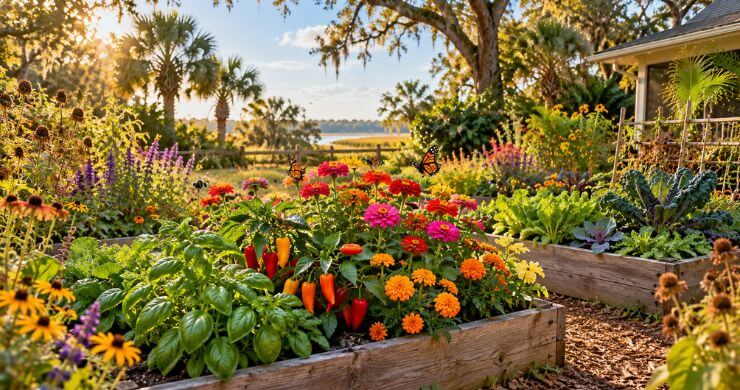
Key takeaways
Florida summers bring heat, warm nights, and heavy rain that stress many garden plants. As nights cool in fall, native wildflowers, beautyberry, muhly grass, and fall tomatoes recover and put on a strong show. Gentle care, such as fresh mulch and removing dead growth, helps a Florida fall garden finish the year well.
By late August, many Florida gardens look tired, with drooping leaves, sparse flowers, and plants that seem to be waiting for relief. Then September arrives, and some of those same plants start to look fresh again. This change is one of the most rewarding parts of a Florida fall garden, and it has clear causes rooted in weather and plant biology. According to UF/IFAS Extension Putnam County, September marks the start of fall gardening in North Florida, and nighttime lows may reach the 60s by the end of the month.
Understanding why plants rebound helps gardeners choose the right plants and give them the right care. Many of the strongest fall performers are native plants in Northeast Florida that are adapted to this seasonal shift.
Why Florida Summers are Hard on Garden Plants
Florida summer heat pushes many plants past their comfort zone. Drooping leaves, browning foliage, and leaf loss are common signs of heat stress. These symptoms often build through late summer, after months of high temperatures with little relief.
Warm nights add to the stress. A peer-reviewed study based on UF/IFAS tomato research reports that Florida highs often exceed 32°C (about 90°F) and nightly lows stay above 20°C (about 68°F) from August to mid-October. The same study explains that high temperatures reduce pollen viability and disrupt flower development, which leads to poor fruit set in tomatoes.
Heavy summer rain creates a second problem. Soil that stays soggy for days leaves roots short on the oxygen they need. Plants in waterlogged beds often yellow, wilt, or drop leaves even though they have plenty of water.
Humidity also raises disease pressure, especially when leaves stay wet for long periods. Watering at the base of plants and giving them room for air to move between them helps limit these problems through the wettest months.
Plants that Bounce Back in a Florida Fall Garden
Native wildflowers are some of the strongest fall performers. UF/IFAS Gardening Solutions notes that Florida's native wildflowers take the heat and thrive in humidity, and it lists rayless sunflower, slender blazing star, and white crownbeard as fall bloomers. Gardeners in North and Central Florida can also grow swamp sunflower and pinkscale blazing star for fall color. Readers can find more gardening tips on seasonal plants in my blog's gardening section.
Blazing star is a standout choice for wildflower gardening in Florida. Its tall purple flower spikes draw butterflies and bees at a time when many other plants have finished blooming. Its upright form also adds height to mixed beds.
Some native shrubs and grasses peak now as well. American beautyberry fills its arching branches with clusters of bright purple fruit, which birds eat through the fall. Muhly grass sends up soft pink plumes that make a striking display when planted in groups.
Vegetable gardens get a fresh start too. As temperatures ease, North Florida gardeners set out a second round of tomatoes along with cool-season crops. Cooler nights give these plants a better chance to flower and produce than they had in midsummer.
How to Help Plants Recover as Summer Ends
Fall care should be gentle, because pruning now can push out tender new growth just before the first cold snaps. The UF/IFAS North Florida Gardening Calendar schedules most shrub pruning for winter and early spring, when the dormant season ends and new growth begins. It also advises pruning azaleas no later than mid-July to protect next spring's blooms. Removing dead or broken branches is a lower-risk task for this time of year.
I keep my own fall cuts limited to dead and storm-damaged growth. For clearing that growth from my hedges, I use these hedge shears.
Diseased plant material should leave the garden entirely. Fallen leaves, twigs, and other debris from sick plants can carry problems back into healthy beds if they stay in place. Bagging diseased trimmings before disposal helps keep problems from spreading.
Watering needs shift as summer rains taper off in fall. An irrigation schedule that made sense in July can leave beds too wet in October. Checking plants and soil more often helps gardeners water only when their gardens need it.
Fresh mulch also helps plants recover from summer stress. A layer of organic mulch, such as shredded leaves, pine bark, or pine straw, holds moisture in the soil, suppresses weeds, and softens temperature swings around roots. This makes early fall a practical time to refresh beds before the cooler months.
Fall is when I top up the mulch in my beds. I move bags and loose mulch around the yard with my garden cart.
Frequently Asked Questions
These are common questions Florida gardeners ask as summer turns to fall. Each answer draws on the guidance covered above.
When does the fall gardening season start in Florida?
In North Florida, including the Northeast Florida region, the fall gardening season starts in September, while daytime temperatures are still warm. Cooler nights later in the month, combined with warm soil, give newly planted crops a strong start.
Why do tomatoes stop producing in the Florida summer?
High temperatures reduce pollen viability and disrupt flower development, which leads to poor fruit set. Production often picks up again in fall, when cooler nights return.
What flowers bloom in fall in Florida?
Native fall bloomers include blazing star, goldenrods, swamp sunflower, rayless sunflower, and white crownbeard. These plants add color and support pollinators as the heat fades.
Should you prune shrubs in the fall in Florida?
Most shrubs should not be pruned heavily in fall, because the new growth is vulnerable to cold injury. Limit fall cuts to dead or damaged branches, and prune spring bloomers right after they flower.
Enjoy Your Garden's Second Season
A Florida fall garden often looks its best once the heat breaks, and a little care helps it shine. Which plants look best in your garden this fall? I'd love to hear what is thriving for you in the comments. Some links in this post are affiliate links, and you can read my full disclosure for details.
