
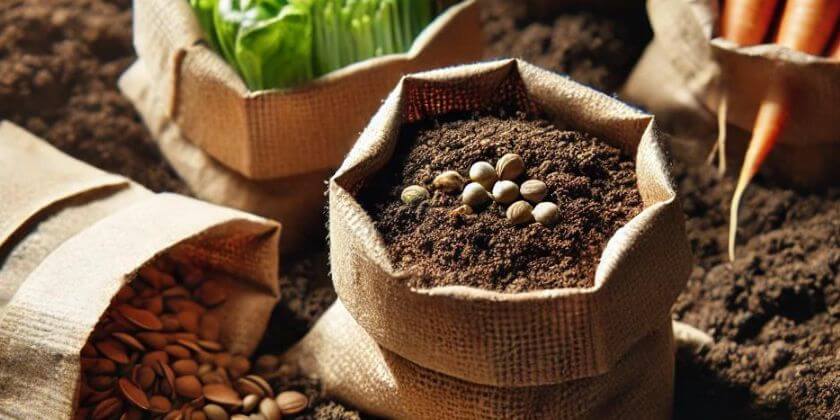
Starting your own organic garden is a rewarding way to enjoy fresh, healthy food right from your backyard. Organic gardening focuses on working with nature to grow plants without synthetic chemicals, relying instead on natural processes like composting, crop rotation, and organic pest control. This beginner’s guide will walk you through the basics, from preparing your soil to harvesting your crops, so you can confidently grow your own organic produce.
Understanding Your Local Climate for Gardening
The first step in starting your organic garden is understanding your local climate. Depending on where you live, the timing of your planting will vary. Most gardens follow two main growing seasons—warm-season crops and cool-season crops.
- Warm-season crops, like tomatoes, peppers, and cucumbers, thrive in late spring through summer when the temperatures are warmer.
- Cool-season crops, such as lettuce, spinach, and carrots, grow best in cooler fall and early spring temperatures.
Start by finding out what growing zone you live in. This information will help you determine the best planting times for your area. A quick internet search for your region’s USDA Hardiness Zone can give you the details you need. This is particularly helpful for avoiding frost dates and maximizing your harvest.
Planning Your Organic Garden
How do you plan an organic garden? The foundation of any successful garden begins with thoughtful planning. Here's what you need to consider before planting your first seeds:
- Location: Choose a sunny spot in your yard where your plants will receive at least six hours of direct sunlight per day. Most vegetables need plenty of light to grow well. Also, ensure the location has good drainage so that water doesn’t pool and damage your plants.
- Soil Quality: Healthy soil is crucial for an organic garden. Test your soil to see if it's sandy, clay-like, or loamy (ideal soil for gardening). Organic gardening thrives on nutrient-rich soil, so amend your soil with organic compost or well-rotted manure to provide essential nutrients.
- Garden Layout: Consider the layout of your garden. Raised beds are popular for organic gardeners because they provide better drainage and allow more control over the soil. Alternatively, container gardening is a great option if you have limited space or want to move plants around. Plan out where each plant will go, keeping in mind that larger plants like tomatoes will need more space, while leafy greens can be planted closer together.
- Companion Planting: Organic gardening often involves companion planting, where certain plants are grown together to benefit each other. For example, planting basil next to tomatoes can help repel pests, while marigolds deter harmful insects for many crops.
What to Grow in Your Organic Garden
Once your garden is planned, it’s time to choose what to plant. You can grow a variety of fruits, vegetables, and herbs organically. Here’s a breakdown of popular choices for both warm and cool seasons:
- Warm-season crops: Tomatoes, peppers, cucumbers, zucchini, beans, and squash.
- Cool-season crops: Lettuce, spinach, kale, broccoli, carrots, and beets.
- Herbs: Basil, parsley, cilantro, mint, and oregano.
For beginners, it’s best to start small. Choose a few crops that you and your family enjoy eating and are easy to grow. Tomatoes, leafy greens, and herbs are excellent beginner-friendly options.
Preparing Your Garden for Planting
Now that you know what you’ll be planting, it’s time to get your garden ready.
- Soil Preparation: Start by loosening the soil to allow roots to grow easily. Remove any weeds, rocks, or debris, and mix in organic compost to enrich the soil. Compost not only adds essential nutrients but also improves soil texture and water retention.
- Planting Seeds or Seedlings: You can start from seeds or buy young plants (seedlings) from a local nursery. If you’re planting seeds, follow the depth and spacing instructions on the seed packet. If you’re using seedlings, make sure they’re spaced properly to allow enough room for growth. Water them gently after planting.
- Watering: Proper watering is key to keeping your garden healthy. Water deeply but less frequently, ensuring the soil stays moist without becoming waterlogged. Morning watering is ideal, as it allows water to soak in before the heat of the day causes evaporation.
Organic Gardening Practices for a Thriving Garden
Organic gardening focuses on natural methods for promoting plant health. Here are a few essential practices for your garden:
- Natural Pest Control: Instead of using chemical pesticides, rely on natural methods to keep pests at bay. Attract beneficial insects like ladybugs and lacewings, which eat harmful pests. You can also use homemade remedies like neem oil or garlic spray to deter unwanted insects.
- Mulching: Mulch your garden with straw, leaves, or grass clippings. Mulching helps retain soil moisture, suppress weeds, and regulate soil temperature. It also adds organic matter to the soil as it breaks down.
- Organic Fertilizers: While compost provides many nutrients, some plants may need a little extra boost. Organic fertilizers like fish emulsion, bone meal, or seaweed extracts are great options. These fertilizers release nutrients slowly, improving both plant health and soil fertility over time.
- Crop Rotation: Avoid planting the same crop in the same spot year after year. Crop rotation helps prevent soil depletion and reduces the likelihood of pests and diseases that can accumulate in the soil.
Harvesting Your Organic Produce
One of the most rewarding aspects of organic gardening is harvesting your produce. But when is the right time to pick your vegetables?
- Tomatoes should be harvested when they’re fully colored and slightly firm.
- Leafy greens like spinach and lettuce can be harvested as soon as they’re large enough to eat. Cut the outer leaves and let the inner leaves continue growing for a prolonged harvest.
- Root vegetables like carrots or beets are ready to pull up once they reach the desired size.
After harvesting, enjoy your fresh, organic produce! You can use your vegetables and herbs in salads, sauces, or simple meals that showcase the flavors of your homegrown food.
Storing and Preserving Your Organic Produce
If you’ve grown more than you can eat right away, there are plenty of ways to preserve your bounty.
- Freezing: Blanch vegetables like peas, beans, and spinach before freezing to maintain their texture and flavor.
- Canning: Canning is a great way to preserve tomatoes, pickles, and jams. Make sure you follow proper canning procedures to prevent spoilage.
- Drying: Herbs like oregano, basil, and mint can be dried and stored for use in cooking all year long.
Organic gardening is a rewarding and healthy way to provide fresh food for your table while contributing to a sustainable environment. By planning your garden carefully, nurturing your soil, and relying on natural methods to promote plant health, you can grow an abundant and thriving organic garden. Starting small, learning from your experiences, and expanding your garden over time will bring you both fresh food and a deeper connection to the earth.
Now is the perfect time to start! With just a few seeds, some compost, and a little patience, you’ll soon be enjoying the fruits (and vegetables) of your labor—from seed to table.
Support for Michelle in the Meadow
If you’re interested in any of the products we show on this channel, you can use the links below to find them and make a purchase. These links are affiliate links, which means I’ll earn a small commission when you make a purchase. These commissions add up and help support this channel and my family. We are grateful when you take the time to click on the links we provide.
https://michelleinthemeadow.com/support/
Vego Garden Bed https://michelleinthemeadow.com/vego
Birdies Garden Bed https://michelleinthemeadow.com/epic
Bully American-Made Tools https://amzn.to/3pESuk4
Fiskars Hedge Shears https: //amzn.to/3pESuk4
Gorilla Cart Wagon https://amzn.to/43gYkpq
About Michelle In The Meadow
I'm growing on a quarter-acre suburban lot. I started gardening here five years ago and am glad you're here.
On this property, we have more than 80 individual fruit trees and shrubs and more than a dozen different kinds of annuals. The slopes make for some interesting ways to garden, but we're trying to make the best of it.
On the first Sunday evening of each month (7PM Eastern), I go live on YouTube sharing updates and answering your questions.
If you enjoyed this video, please give it a thumbs up and consider subscribing to follow along on all the happenings in my Northeast Florida Zone 9B Garden. Until next time, my friends, remember to drink plenty of water, wear high-quality sunscreen and have a fantastic day.
For more exciting updates from our Meadow:
🌿Website: https://michelleinthemeadow.com
🌿Instagram: https://www.instagram.com/michelleinthemeadow
🌿Facebook: https://www.facebook.com/michelleinthemeadow
🌿 YouTube: https://www.youtube.com/@michelleinthemeadow
Thank you for reading.
