Growing a garden in Northern Florida presents unique challenges, from humid summers to unexpected cold snaps. One effective way to navigate these conditions is by starting your seeds indoors. This method not only protects delicate seedlings from harsh weather but also extends the growing season. In this guide, we'll walk you through the best practices for starting seeds indoors, ensuring your garden thrives from the very beginning.
1. Choosing the Right Seeds
Success begins with the right seeds. In Northern Florida, it's important to select plants that can withstand the region's climate nuances. Warm-season vegetables like tomatoes, peppers, and cucumbers are excellent choices, as they require a longer growing period and benefit significantly from an early start. When purchasing seeds, opt for high-quality, disease-resistant varieties from reputable suppliers to increase your chances of successful germination.
2. Preparing to Plant
Materials Needed
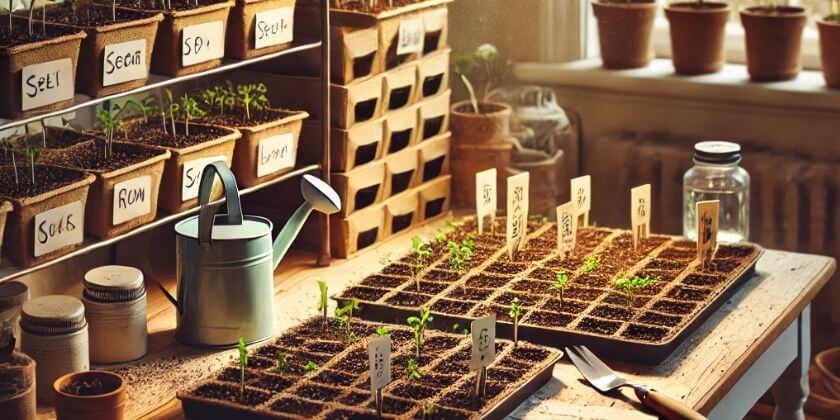
Before planting your seeds, gather all necessary supplies:
- Seed trays or small pots
- Seed starting mix
- Plant labels
- Watering can or spray bottle
- Grow lights (if sufficient natural light is not available)
Best Soil for Seed Starting
A light, well-draining seed starting mix is crucial for the development of young roots. Avoid using garden soil, as it can be too heavy and may contain pathogens harmful to seedlings. Commercial seed starting mixes are available, which often contain a blend of peat moss, vermiculite, and perlite, providing the ideal texture and nutrients for seed growth.
3. Creating the Ideal Environment
Light Requirements
Seedlings require a lot of light to grow strong and sturdy. If natural light is limited, consider setting up grow lights. Position the lights a few inches above the seedlings and keep them on for about 14-16 hours a day to mimic natural daylight.
Temperature and Humidity
The ideal temperature for germination of most seeds is between 65-75°F. Use a heat mat under your seed trays if your indoor environment is cooler. Humidity is equally important; a plastic cover or humidity dome over the seed trays can help maintain moisture levels.
4. The Planting Process
Step-by-Step Guide to Planting Seeds
Fill your containers with the seed starting mix, moisten the soil, and plant the seeds at the depth recommended on the seed packet—usually about two to three times the diameter of the seed. Label each container with the plant type and sowing date.
Watering Techniques
Water newly planted seeds with a gentle spray to avoid disturbing them. Keep the soil consistently moist but not waterlogged. A spray bottle is ideal for this early stage to prevent overwatering.
5. Caring for Seedlings
Monitoring Growth
Watch for seedlings to emerge within a week or two, depending on the species. Once they sprout, focus on proper light exposure and rotate the trays regularly to prevent seedlings from leaning towards the light source.
Thinning Seedlings
When seedlings develop their second set of true leaves, it’s time to thin them. Remove weaker seedlings to allow the stronger ones ample space to grow. This can be tough but is essential for maintaining a healthy plant population.
6. Transplanting Seedlings Outdoors
When to Transplant
Transplanting should occur after the last frost date when the seedlings have several sets of true leaves. Check local frost dates and watch the weather closely.
Acclimating Seedlings to Outdoor Conditions
Before transplanting them into the garden, seedlings need to be hardened off. This process involves gradually exposing them to outdoor conditions. Start by placing them outside in a shaded, protected area for a few hours each day, gradually increasing their exposure to sun and wind over a week.
7. Troubleshooting Common Issues
Dealing with Pests and Diseases
Keep an eye out for signs of pests or disease, such as discolored leaves or stunted growth. Implementing a gentle organic pesticide or adjusting your care routine can often remedy these issues.
Adjusting to Unexpected Weather Shifts
Be prepared to protect your seedlings from unseasonably cold temperatures or excessive heat with covers or by temporarily bringing them indoors.
Starting seeds indoors is a rewarding process that can significantly improve your gardening success. By controlling the environment early on, you can nurture strong, resilient plants that are more likely to thrive in the unpredictable Northern Florida climate.
We encourage you to experiment and learn through each growing season. Each year brings its lessons, helping you become a more skilled and knowledgeable gardener. Happy planting, and may your garden flourish!