
Maintaining soil health during winter ensures your garden beds remain productive. This article explains how to keep soil moist, increase productivity, and rejuvenate soil, especially in raised beds, following the winter season.
Keeping Soil Moist in Winter
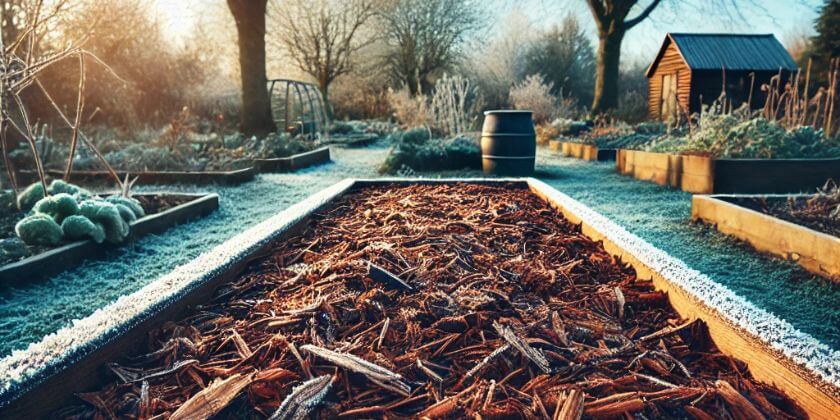
Cover the Soil: Use mulch or cover crops to protect soil from winter cold. Organic mulches like straw or leaves trap moisture and prevent frost from penetrating the soil. Cover crops, such as rye or clover, also help retain soil moisture while adding organic matter.
Reduce Watering: During winter, plants require less water. Adjust your watering schedule based on weather conditions and soil moisture levels. Water only when necessary to prevent soil from drying out completely.
Check Soil Regularly: Use a soil moisture meter or dig a small section to check moisture levels. This helps you determine when to water and prevents overwatering, which can lead to soil compaction and reduced air circulation.
Making Your Soil More Productive
Add Organic Matter: Incorporate compost or manure into the soil to improve its fertility and structure. Organic matter increases the soil's ability to retain nutrients and water, which is crucial for plant growth.
Rotate Crops: Practice crop rotation to prevent soil depletion. Rotating different types of crops helps maintain nutrient balance and reduces the buildup of pests and diseases.
Test Soil: Conduct a soil test to identify nutrient deficiencies or pH imbalances. Amend the soil based on test results, using lime to raise pH or sulfur to lower it, along with specific fertilizers to address nutrient shortages.
Refreshing Soil After Winter
Remove Debris: Clear winter debris such as dead plants and fallen leaves from garden beds. This prevents pest infestations and diseases and allows new plant growth to receive maximum sunlight and air circulation.
Loosen Soil: Gently till the soil to loosen it without damaging its structure. This aerates the soil, improves drainage, and makes it easier for roots to penetrate.
Replenish Nutrients: Add a fresh layer of compost or a balanced slow-release fertilizer to replenish nutrients consumed by previous crops. This step is crucial to prepare the soil for new planting in the spring.
Rejuvenating Soil in Raised Beds
Replace Topsoil: In raised beds, remove the top few inches of soil and replace it with fresh, nutrient-rich soil or compost. This refreshes the soil and removes potential salt accumulations from fertilizers.
Mix in New Amendments: Blend new amendments such as bone meal or rock phosphate into the existing soil to boost nutrient levels and improve soil structure.
Control Moisture Levels: Ensure proper drainage in raised beds to prevent waterlogging, which can lead to root diseases. Consider adding coarse sand or perlite to improve soil drainage.
Winter does not have to be a dormant period for your garden beds. By taking steps to protect and enhance soil moisture, boost soil productivity, and rejuvenate the soil after winter, you can maintain a healthy garden that is ready for spring planting. Implement these strategies to ensure your soil remains alive and productive, supporting a thriving garden year-round.
By focusing on practical, actionable steps and providing clear instructions, this guide aims to help gardeners maintain their soil health during the colder months, ensuring their garden beds are not only surviving but thriving as the seasons change.
