
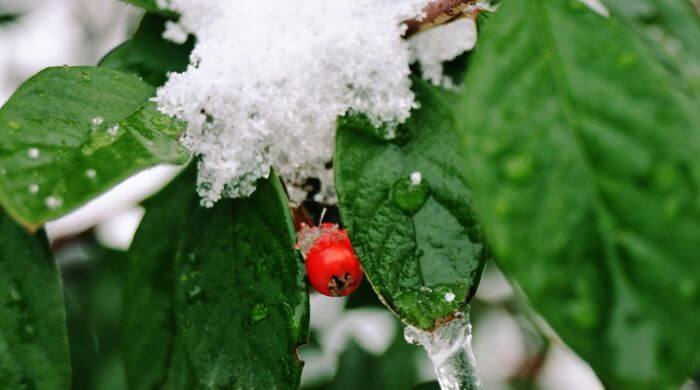
Winter in Northern Florida can be unpredictable, with chilly temperatures and occasional cold snaps catching many gardeners off guard. While the region typically enjoys a milder winter compared to other parts of the country, the occasional freeze and winter storm can still pose a serious threat to your garden. Whether you’re dealing with a sudden frost or a more extended cold spell, taking the right precautions can make all the difference in protecting your plants. In this guide, we’ll explore essential tips and strategies to help you safeguard your garden against the winter chill, ensuring that your plants not only survive but thrive through the colder months. From simple frost protection to understanding which plants are more vulnerable to freezing temps, we’ve got you covered!
Understanding Plant Vulnerability
Certain plants require protection during a freeze in Florida. Tropical and subtropical species, such as hibiscus, citrus trees, and bougainvillea, are particularly vulnerable. Annuals and vegetables like tomatoes, peppers, and cucumbers also need safeguarding against the cold. It's crucial to know which plants in your garden are sensitive to freezing temperatures to take appropriate measures.
Natural Defense Mechanisms in Plants
Plants have various methods to protect themselves from freezing. Some produce chemicals that act like antifreeze, lowering the freezing point of water inside their tissues. Others can dehydrate their cells, moving water to spaces between cells where ice formation causes less damage. Understanding these mechanisms helps gardeners appreciate the resilience of plants and the importance of aiding their natural defenses.
Effective Materials for Frost Protection
The choice of material for covering plants during frost is vital for their survival. Fabrics like burlap, fleece, and specially designed frost cloths are effective because they trap heat without suffocating the plant. Plastic covers are less advisable as they can cause condensation and subsequent ice formation, damaging the plant tissues they are meant to protect.
Strategies for Dealing with Freezing Weather
Preparing for freeze events involves several strategic steps:
- Water your plants: Watering the soil around your plants before a freeze can help regulate soil temperature and protect roots. Moist soil holds heat better than dry soil, providing warmth to the plant roots.
- Apply mulch: Adding a layer of mulch around your plants can help insulate the ground and protect the roots from freezing temperatures. Materials like straw, leaves, or bark chips are effective for this purpose.
- Cover vulnerable plants: Use frost cloths or burlap to cover your plants the evening before a freeze. Ensure the material extends to the ground to trap heat effectively. Remove the covers during the day to allow exposure to sunlight and prevent overheating.
- Group plants together: Placing potted plants close together can help reduce heat loss and increase humidity around the plants, offering additional protection against frost.
- Utilize windbreaks: Structures like fences or fabric screens can reduce wind chill, which exacerbates the cold's effects on plants. Positioning these windbreaks strategically can provide a sheltered microclimate for your garden.
- Prune selectively: Remove any dead or dying branches before winter to help the plant conserve energy and resources, which are vital for surviving cold weather.
Protecting your garden in Northern Florida from freezing temperatures involves understanding the needs of your plants and implementing effective strategies to mitigate the cold's impact. By choosing the right materials for frost protection, strategically using water and mulch, and covering your plants properly, you can help ensure that your garden thrives even during the chilliest months. Remember, preparation is key, and your efforts during the winter will lead to a flourishing garden in the spring.