
Insects play a big role in every organic garden. Some support healthy plant growth. Others damage leaves, roots, or fruit. Learning which bugs help and which ones harm is the first step in building a naturally balanced space.
You don’t need chemicals to control pests. When you identify bugs correctly, you can work with nature and let beneficial insects do the job for you.
What Is the Difference Between Useful and Harmful Insects?
Useful insects help the garden. They pollinate flowers, improve the soil, or feed on plant-damaging pests. Harmful insects do the opposite — they chew leaves, suck sap, and weaken plants.
Some insects are neutral, and some may switch roles depending on the stage of life or the time of year. Focus on what each insect does in your garden to decide if it's helpful or harmful.
What Is a Good Bug?
A good bug supports your garden in one or more of the following ways:
- Pollination: Moves pollen between flowers so fruits and seeds can form.
- Pest Control: Eats bugs that damage plants.
- Soil Health: Helps decompose organic matter and mix nutrients into the soil.
Good bugs usually don’t require extra care. They stay when there’s food, shelter, and no synthetic chemicals around.
What Are Beneficial Insects Examples?
Here are some common beneficial insects found in Florida gardens:
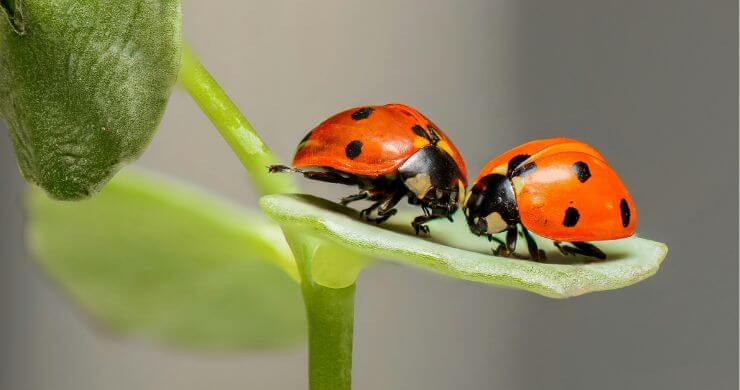
- Ladybugs – Both adults and larvae feed on aphids, mealybugs, and scale insects.
- Green Lacewings – Their larvae eat aphids, thrips, and whiteflies.
- Parasitic Wasps – These tiny wasps lay eggs inside pest insects. Their larvae kill the host from the inside.
- Hoverflies – Adults pollinate flowers, and larvae feed on soft-bodied pests.
- Ground Beetles – These live in the soil and feed on caterpillars, slugs, and other insect larvae.
- Praying Mantises – These are strong predators that help reduce pest numbers, though they may also eat other beneficial bugs.
What Is the Best Way to Identify Bugs?
Start by watching what the bug is doing. Is it chewing on leaves? Is it feeding on another insect? Is it moving from flower to flower?
Next, take note of its shape, color, wings, and number of legs. Compare your observations to pictures in local insect guides or online tools from trusted gardening sources.
Take clear photos if you can. Keep a garden journal to track what you see and what those bugs are doing. Over time, this builds your knowledge and helps you respond faster in the future.
Common Harmful Insects in the Garden
While many insects help, a few can cause serious damage. Watch out for these common pests:
- Aphids – Small soft-bodied insects that suck sap and cause curling leaves.
- Whiteflies – Tiny white bugs that fly up when you disturb the plant. They leave sticky residue behind.
- Cabbage Loopers – Green caterpillars that chew large holes in leaves.
- Spider Mites – Nearly invisible pests that cause speckled leaves and leave behind fine webbing.
- Thrips – Tiny insects that scrape plant tissue, leaving silver marks and twisted leaves.
Use natural methods to manage these pests. Hand-pick them when numbers are small. Spray with water to knock them off leaves. Most importantly, attract the right predators to your garden.
How to Attract and Support Beneficial Insects
You can keep good bugs around by making your garden a safe, supportive space:
- Grow flowers with nectar and pollen. Herbs like dill, fennel, alyssum, and yarrow attract many beneficial insects.
- Avoid synthetic sprays, even organic-approved ones unless you’ve tried other methods first.
- Provide shallow water using a dish filled with stones for insects to land on.
- Leave some natural areas — don’t cut back everything. Let flowers and grasses stay in corners of your garden.
- Use companion planting to attract helpful bugs near your vegetable or fruit crops.
With time, a healthy balance will form. Good bugs will return each season if they have what they need to survive.
Not every bug is a problem. Many insects help your garden stay strong and productive. When you know how to tell the difference between good and bad bugs, you gain confidence and avoid reaching for sprays.
Focus on creating a healthy, chemical-free garden filled with flowers, diverse plants, and natural pest controls. This allows helpful insects to do their work and keeps harmful ones in check.
A garden full of life is a garden that thrives.