
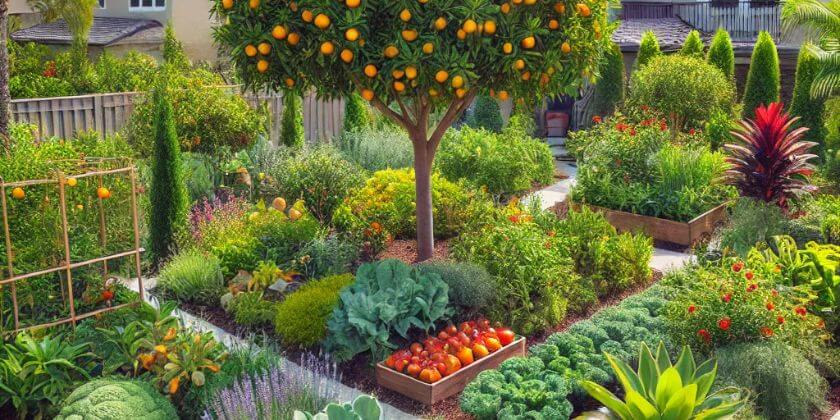
Gardening near Florida’s coast gives you the chance to grow fresh food all year. With long warm seasons and few cold spells, coastal gardens in Zone 9B can thrive with the right planning. The key is to work with the natural rhythm of the land, sun, and sea.
Learn how to start and maintain a healthy edible garden using organic practices, how to choose the right crops, build strong soil, and support natural systems. If you want a garden that is productive, low-stress, and chemical-free, you’re in the right place.
Florida’s Coastal Climate Helps Gardens Grow
Florida’s coast falls into USDA Hardiness Zone 9B. This means short, mild winters and long, hot summers. You can grow vegetables, fruits, and herbs through much of the year. In many cases, you can plant and harvest multiple times per season.
But coastal areas also bring some challenges. Sandy soil drains too fast and lacks nutrients. Salt air can harm tender plants. High sun exposure can dry out beds and scorch leaves. Organic gardening methods help balance these natural forces. With the right techniques, even small yards or raised beds near the coast can produce healthy, tasty food.
Best Edible Plants for Coastal Gardens
Success starts with choosing plants that can handle your conditions. On Florida’s coast, that means crops that tolerate heat, sun, and sometimes salt.
- Greens: Malabar spinach is a tropical vine that thrives in heat and humidity. Collard greens and kale grow well in cooler months and bounce back after trimming.
- Fruits: Figs, papayas, and bananas grow well in sandy soil and tolerate salty breezes. They like mulch, sun, and room to spread.
- Vegetables: Okra loves heat and grows fast. Sweet potatoes enjoy sandy soil and produce well with compost. Cherry tomatoes handle heat better than large slicers and ripen fast.
- Herbs: Rosemary, basil, oregano, and thyme are easy to grow and resist pests. They also attract pollinators and beneficial insects.
Stick to heat-tolerant and Florida-adapted varieties when possible. Native and well-adapted plants need less care and bring more consistent harvests.
Organic Soil Building in Sandy Beds
Sandy soil is easy to dig but hard to keep fertile. It dries out quickly and doesn’t hold nutrients well. The solution is to build it up using organic materials.
- Add finished compost every season. Compost improves water retention, adds nutrients, and feeds the life in your soil.
- Use leaf mulch, grass clippings, and shredded branches to protect the soil surface and feed it slowly over time.
- Worm castings offer rich, slow-release nutrition and improve soil texture.
- Grow cover crops like cowpeas, buckwheat, or clover in unused beds. These crops hold moisture, add nutrients, and attract pollinators.
- Use liquid amendments like compost tea or seaweed extract to provide minerals and encourage root strength.
Avoid synthetic fertilizers. They may give fast growth but harm soil health over time and can wash out easily in Florida’s rain.
Watering and Drainage That Works Naturally
In sandy coastal soil, water can drain away before plants absorb it. Overwatering can be just as harmful, leading to root rot or nutrient loss. Smart watering habits make a big difference.
- Water deeply but less often. This encourages plants to grow deeper roots, which helps them find moisture during dry spells.
- Water in the early morning. This reduces evaporation and lets leaves dry before nightfall, lowering the risk of disease.
- Install drip irrigation or soaker hoses to give consistent, slow moisture right at the base of plants.
- Apply mulch 2–3 inches deep to keep moisture in and temperature steady. Use natural materials like pine straw, wood chips, or dried leaves.
Organic mulching also feeds soil life and reduces weed pressure.
Invite Pollinators and Build Biodiversity
Pollinators are essential to a productive edible garden. Bees, butterflies, and beneficial wasps increase fruit production and keep the ecosystem balanced.
- Grow zinnias, marigolds, borage, and sunflowers alongside your crops. These flowers attract pollinators and provide color and beauty.
- Add native wildflowers to the edges of your beds or paths.
- Rotate crops between seasons to avoid pest buildup and keep the soil active.
- Try companion planting. For example, basil helps repel insects from tomatoes, while marigolds may deter nematodes.
- Skip the sprays. Most chemical treatments harm both pests and the beneficial insects that control them naturally.
A biodiverse garden is a strong garden. Diversity brings balance, health, and longer-lasting productivity.
When and How to Harvest for the Best Yield
Regular harvesting encourages plants to keep producing. Many crops do best when picked young and often.
- Harvest leafy greens while the leaves are tender.
- Pick okra when the pods are 3 to 4 inches long, before they turn tough.
- Dig up sweet potatoes when vines begin to yellow, usually after 90 to 100 days.
- Clip herbs regularly to promote fresh growth.
- Collect cherry tomatoes when fully red and just soft to the touch.
Plan for spring planting of greens and herbs, summer planting of okra and sweet potatoes, and a fall return to greens, carrots, and radishes.
Enjoy Your Coastal Garden Harvest
Growing an edible garden by the Florida coast is simple and rewarding. By choosing hardy crops, improving your soil naturally, and working with the sun and rain, you can grow fresh, organic food year-round.
Gardening this way supports your health and the planet. It also brings daily joy—from watching seeds grow to tasting your own homegrown food.
Have a favorite plant you grow near the coast? Share your experience with Michelle in the Meadow, and let’s keep growing together.
