
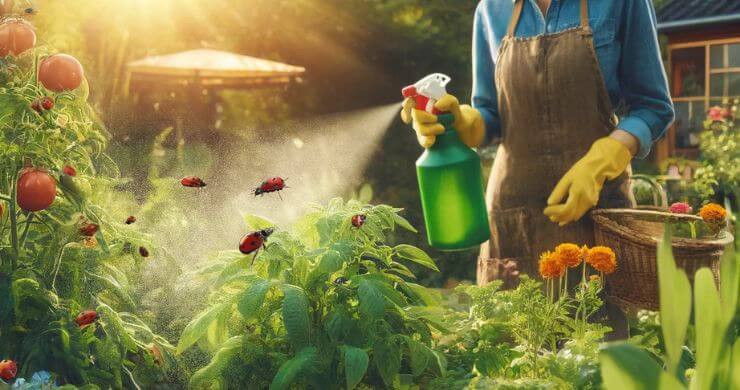
Gardening in Florida is a rewarding experience, especially when you’re growing your own food. But as any gardener knows, the subtropical climate brings not only sunshine and rain—but also an army of hungry pests. Rather than reaching for chemical pesticides, more gardeners in Northeast Florida are embracing natural pest control methods that support healthy ecosystems and protect beneficial wildlife. In a well-designed meadow garden, pest control can be as beautiful as it is functional.
Let’s explore how you can manage pests naturally while nurturing a vibrant, edible landscape that’s rich with native plants, wildflowers, and pollinators.
Why Natural Pest Control Is So Important
Synthetic pesticides may provide quick fixes, but they often harm more than just the bad bugs. Bees, butterflies, birds, and other helpful insects are vulnerable to broad-spectrum chemicals. These creatures are essential allies in any pollinator garden, helping to keep pest populations in check and ensuring fruitful harvests through pollination.
By using natural methods, you create balance in your garden and contribute to a more sustainable, resilient landscape.
Invite the Helpers: Beneficial Insects to the Rescue
Not all bugs are bad! In fact, your best pest control team may already be flying or crawling nearby. Beneficial insects like ladybugs, lacewings, and parasitic wasps prey on destructive pests such as aphids, whiteflies, and caterpillars. In Northeast Florida, you may also see assassin bugs, minute pirate bugs, and spiders playing vital roles in maintaining the balance.
So how do you encourage these helpful creatures to stick around?
Planting a diverse mix of native plants in Northeast Florida is key. Flowers like coreopsis, goldenrod, and blanketflower offer nectar and pollen that sustain beneficial insects. These species thrive in the local climate, making them ideal choices for gardeners who want low-maintenance beauty and natural pest control.
Water sources and shelter, such as small rock piles or patches of undisturbed grasses, further support insect diversity. Think of your garden as a mini-wildlife sanctuary.
Plant-Based Defenses: Companion Planting & Natural Repellents
One of the oldest and most effective strategies in Florida food gardens is companion planting. Certain plants have natural compounds that confuse or deter pests when grown next to vegetables. For example:
- Basil repels thrips and hornworms when planted near tomatoes.
- Marigolds release a compound into the soil that deters nematodes.
- Nasturtiums attract aphids, drawing them away from more valuable crops.
Herbs such as rosemary, garlic, thyme, and lemongrass are excellent natural repellents. Not only do they keep pests at bay, but they also contribute delicious flavors to your meals.
Native plants again play a role here. Their built-in resistance to local pests and diseases makes them excellent companions in the food garden. By blending vegetables with native plants of Northeast Florida, you create a landscape that’s both productive and pest-savvy.
Habitat Creation: Your Garden as an Ecosystem
If you want to reduce pest outbreaks over the long term, think beyond individual plants—think habitat. A well-designed Florida meadow landscaping approach includes layers of vegetation: grasses, low-growing groundcovers, flowering herbs, and shrubs. This structure provides cover and resources for a range of beneficial organisms.
By planting a wildflower garden in Florida, you support insects year-round. Sequential blooming keeps the food supply going for bees, butterflies, and predatory insects. Even letting some plants bolt or go to seed—like dill, fennel, or cilantro—can attract wasps and hoverflies that devour aphids and caterpillars.
The goal is not to eliminate every pest, but to support the predators that keep them in check.
Homemade Natural Pest Control Sprays (Use Sparingly!)
Sometimes, even the best-laid garden plans need backup. If pests are getting out of hand, you can turn to natural sprays that are safe for your plants—and less harmful to beneficial insects.
Try these options:
- Neem oil spray: Acts as a repellent and disrupts pest reproduction.
- Insecticidal soap: Ideal for soft-bodied pests like aphids and whiteflies.
- Garlic chili spray: A spicy, pungent mix that deters many garden intruders.
Apply these treatments early in the morning or late in the evening when pollinators are less active. Avoid spraying blooms and use targeted applications.
In a thriving meadow garden in Northeast Florida, these remedies should be used as a last resort—not your first line of defense.
Let Nature Be Your Guide
Creating a naturally balanced garden takes time and observation. Start by adding a few native plants from Northeast Florida, sowing a wildflower patch, or planting beneficial herbs among your vegetables. Watch which insects show up and how the dynamics in your garden shift.
Remember, your Florida food garden isn’t just a place to grow food—it’s an ecosystem. When you invite nature in, you’ll find that pest control can happen organically, beautifully, and with far less effort than fighting every bug yourself.
Michelle in the Meadow celebrates gardening that works with nature—not against it. Stay tuned for more posts on native plant gardening, pollinator support, and sustainable Florida landscaping.
