

Key takeaways
Refreshing garden beds in Florida means clearing out spent summer plants, rebuilding depleted sandy soil with compost and other organic matter, and timing the work for the cooler fall planting window. Done in early fall, this reset sets Zone 9 gardens up for a productive cool season.
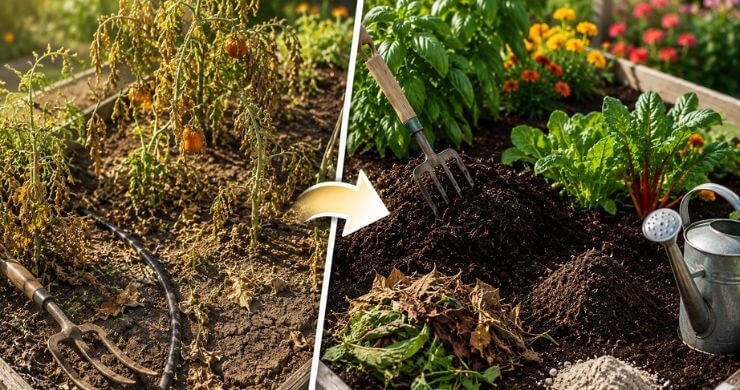
A long Florida summer is hard on a garden. By September, many beds look tired: plants have bolted or faded, the soil feels thin, and weeds have crept in after months of heat and heavy rain. For home gardeners in Northeast Florida, refreshing garden beds in Florida is the natural next step before the cool season begins. Florida’s sandy soil drains fast and holds few nutrients, so it needs regular attention to stay productive. The good news is that a tired bed can bounce back with a simple, organic reset. Fall is the ideal time to clear, rebuild, and replant for the months ahead.
Why Florida beds run down after summer
Florida gardens face a tough growing environment. According to UF/IFAS Extension, Florida soils tend to be sandy and low in organic matter, which means nutrients wash through quickly and plants run short by late summer. Add months of intense sun, daily downpours, and heavy feeding from warm-season crops, and most beds end the season depleted. Spent plants leave behind more than empty space. Old roots, fallen leaves, and lingering weeds can harbor pests and disease that carry into the next planting. Compaction from heavy rain also reduces the air and water movement that healthy roots need. Recognizing these signs early makes the fix easier. A bed that looks worn out is simply asking for fresh organic matter and a clean start before fall crops go in.
Clearing beds for the fall reset
A good Zone 9 garden cleanup starts with removing what the summer left behind. UF/IFAS recommends taking out unproductive plants as soon as possible and either composting them or disposing of them. Pull faded annuals, clip back overgrown stems, and rake out loose debris so the bed is clear and easy to work. Healthy plant material can go straight into the compost pile, where it breaks down into free soil-building matter. Diseased or pest-ridden growth is different. Set it aside for disposal rather than composting, since troubled material can pass problems on to the next crop. Weeds deserve attention too. Removing them now, before they set seed, saves hours of work once the fall garden is planted. A light hand is best around the soil itself. Rather than deep digging, many Florida gardeners loosen only the top few inches, which protects the living network of roots and organisms below. By the time the bed is clear, it is ready for the next step: rebuilding the soil.
Rebuilding tired soil organically
Amending garden soil organically is the core of any bed refresh. For gardeners rebuilding raised beds, a soil calculator helps estimate how much mix each bed needs before any buying begins. The goal is to replace what the summer used up by adding plenty of organic matter back into the soil. Compost is the foundation. It returns the nutrients and structure that Florida’s sandy beds lose over a long, wet season. Layer two to three inches of finished compost across the bed, then work in other amendments as needed. Worm castings, aged manure, and shredded leaves all feed soil life and improve structure. UF/IFAS suggests a simple organic blend of two parts compost, six parts peat moss or small pine bark, and two parts perlite or vermiculite for filling beds. Once amendments are in place, a few inches of organic mulch conserve moisture and suppress weeds through the dry fall weeks. Cover crops are another option for empty beds, since they discourage weeds and reduce soil loss before planting.
Refreshing garden beds in Florida for fall planting
A refreshed bed pays off the moment fall planting begins, and a sturdy hauler like the Gorilla Carts dump cart makes moving fresh soil and compost to each bed far quicker. UF/IFAS notes that vegetables grow year-round in the state when gardeners follow the right planting dates. In North Florida, the cool season opens around September and runs through the milder months. A strong Florida fall vegetable garden leans on cool-season crops. UF/IFAS Extension lists options such as beets, broccoli, carrots, kale, lettuce, and other leafy greens for fall planting in the region. Exact timing shifts a little with each year’s weather, so checking local planting dates before sowing is wise. Starting some crops from transplants rather than seed can give the fall garden a head start before the days grow shorter. Rotating to a different plant family than last season helps hinder soil-borne disease and keeps the bed balanced. Consistent watering in the first weeks helps young roots settle into the refreshed soil. Working amendments into the top few inches gives seeds and transplants a loose, welcoming start. A dependable shovel makes that final soil prep quick, especially when turning fresh compost into the refilled beds.
Refreshing garden beds in Florida is a rewarding fall chore that sets up the whole cool season. A little effort to clear, rebuild, and replant gives gardeners healthier soil and stronger crops in the months ahead. With the beds renewed, a Florida gardener can head into fall planting with confidence.
Frequently asked questions
Here are answers to questions Florida gardeners often ask about a fall bed refresh.
When should you refresh garden beds in Florida?
Early fall is the ideal time, once the worst summer heat eases and before cool-season crops go in. In North Florida, that window usually opens around September. Refreshing then gives compost and amendments time to settle before planting.
Do you need to replace all the soil in raised beds each year?
No. In most cases, topping up and amending the existing soil is enough. Adding a few inches of compost and organic matter each season restores nutrients without the cost of a full soil replacement.
How do you fix depleted, sandy Florida soil?
The answer is steady additions of organic matter. Compost, aged manure, worm castings, and mulch rebuild fertility and help sandy soil hold water and nutrients longer, season after season.
Come explore more in the garden
Refreshing beds like this is one of my favorite parts of the gardening year, and I post new seasonal guides as each one rolls around. If you found this helpful, take a look around my website for more Florida growing ideas and Zone 9 projects. Have you given your own beds a fall refresh yet? I would love to hear how it went in the comments.
Leave a Reply