
• Skip to main content
  • Skip to secondary menu
  • Skip to primary sidebar
  • Skip to footer
Michelle In The Meadow

Michelle In The Meadow

Zone 9A Suburban Garden

  • Home
  • About
  • Disclosure Policy
  • Support
  • Blog
  • Soil Calculator for Raised Beds

The Easiest Vegetables To Grow: 12 Easy Veggie Crops For Beginner Gardeners

December 16, 2022 by Garden Team Leave a Comment

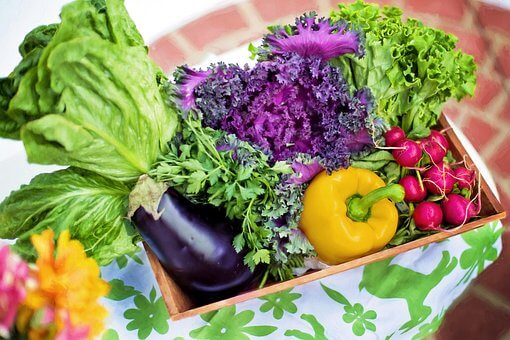
vegetables-790022__340.jpg


When you are new to vegetable gardening, there are a few things you need to learn. Some vegetables are easy to grow, while others are more difficult. If you start by growing easy vegetables, you will be more successful. After you have had a few successes, you can expand your garden to include some of the more challenging vegetables.

What Grows Well in Your Area

The location of your garden can affect which crops grow best, so make sure to take your garden's needs into account! The climate and types of plants that can be grown in a garden vary depending on the location. Arizona has a hot, dry climate, while Maine has a cold climate, and South Florida has a tropical climate. Different types of plants will do better depending on the specific site conditions, such as the type of soil and climate. You will find what works well in your garden by experimenting.

For example, the size of cabbages may vary depending on the climate. In a cool climate, cabbages may grow to the size of basketballs, while in a hot summer area, they may only grow to be head-high. eventually, everyone will find that some “harder to grow” vegetables do really well for them. If you live in a cooler area, you should focus on planting Spring and Fall varieties of plants. However, you will need to put most of your efforts on the Summer varieties if you live in the south.

This is a list of easy vegetables to get started with. The advice in the following tips will help you get your garden off to a great start.

1. Zucchini

Zucchini grows so fast that they are often subjects of gardeners’ jokes. Zucchini is easily grown almost anywhere. If you have friends who garden, then you’ve probably received a load of free zucchini from them. This is because they are REALLY prolific and grow like crazy.

Zucchini is packed with vitamins and minerals. These plants do not require much space and can prosper in containers.

If you want your plants to grow well, you should add a lot of compost to the soil before you plant them.

There are two main things that can slow down the growth of zucchini, powdery mildew and squash bugs. Be sure to check your plants regularly for these after they start setting fruit.

Seeds should be planted in the ground when it is warm enough that there is no danger of frost. Plant them 2′ to 3′ apart. Yes, that’s feet. One plant can get pretty big. Most varieties take 50-60 days until harvest.

Pick the plant's fruit often to encourage new growth, as one plant can produce many fruits. If you wait too long to harvest the fruits, it will stunt the growth of new fruits, and the existing ones will start to get tough.

, Raven, Ronde de Nice Desert, Spineless Supreme, Yellowfin, Black Beauty, Dunja, Fordhook, Noche, Eight Ball, Raven, and Ronde de Nice are all recommended types of zucchini.

2. Kale

Kale can be germinated from seeds or by installing potted sprouts from the nursery. If you plant kale from seed, there are usually more types to choose from, but it takes longer to harvest. If you plant starter plants, the harvest is quicker. To have a continuous supply of kale, plant a few potted kale plants as well as kale seeds every few weeks.

Kale can be successfully grown in raised garden beds and in patio planter boxes that will allow for multiple plants.

The six best kinds of kale to grow in the winter are Winterbor, Darkibor, Lacinato, Blue Ridge, Scarlet, and Dwarf Blue Curled. Red Russian is also a good choice.

3. Peas

Peas are a trouble-free crop that enjoys cooler weather. Sow the peas around 4 to 6 weeks before the last spring frost for the best results. You will be rewarded with the incredible sweet flavor of fresh picked peas. There are three primary types of peas: those that are eaten whole, those that are shelled, and those that are considered to be “snow” peas. The pea plant's height can vary depending on the variety that is selected, with some varieties growing as tall as 6 feet. All they need is support for their stems. While vining varieties of grapevines require full support, bush varieties also appreciate some twigs or strings to ramble up. They just don’t need to be as long.

Pick pods when they are young and tender. The more you pick them, the more they produce! Most varieties take 50-60 days until the first harvest. Homegrown peas have so much flavor. You can eat them raw, straight from the plant, or cook them in a dish.

Eating vegetables while harvesting them is a great way to get children to eat their vegetables.

The best types of peas to plant are sugar snap, super sugar snap, sugar Ann, Oregon giant, green arrow, and Mr. Big.

4. Pumpkins

Small pumpkins and mini pumpkins are fun to grow in the garden. Pumpkins will grow better when planted directly in the soil instead of having their seeds planted. There is a wider range of pumpkin seeds to choose from than there are seedling pumpkin plants. If your young pumpkin plants struggle early on, you can pick up some seedlings from the plant nursery to take their place.

Pumpkins grow best when the seeds are planted directly in the soil, just like zucchini. Pumpkin seeds offer more variety than starter seedling pumpkin plants. If your pumpkin plants have trouble early on, you can pick up seedlings from the plant nursery to take their place.

If you're looking for small pumpkins to grow in your garden, some recommended varieties include Half Pint, Hooligan, Wee-B-Little, Jack Be Little, Small Sugar, Baby Bear, and Casperita.

5. Green Beans

Green beans are a simple-to-grow garden veggie. Bush beans grow in a nice rounded shape, while pole beans grow as long vines (typically up a trellis). Bush beans are the easiest to grow because you don't have to assemble a trellis structure. Pole beans are easy to grow if you already have a vertical gardening set up.

Green beans grow easily from seed. You can grow your own beanstalk by planting dried green beans. You can also find potted baby green bean plants at the garden center.

We recommend the following varieties of green beans: Blue Lake Bush, Blue Lake Pole, Top Crop Bush, Contender, Provider, Ferrari, Dragon Tongue, Kentucky Blue, Seychelles, Royalty Purple, Haricot Vert.

6. Cucumbers

Cucumbers make for an easy vegetable crop, both for beginner gardeners and experienced growers alike. There are many different types of cucumbers available, from pickling cucumbers to field cucumbers, as well as some specialty types.

Cucumbers can be grown from seed easily in the garden, or purchased as starter plants from the garden center. Choose a cucumber type that will suit your needs, for example pickling cucumbers if you want to make pickles.

Cucumbers come in many shapes, sizes, and colors, but there are a few recommended varieties that stand out. Corinto, Muncher, Parisian Gherkin, Green Light, and Saladmore are all great options that are known for their flavor and versatility.

7. Tomatoes

This vegetable is probably the most popular one among gardeners. This option is not as effortless as some of the others, but most people have more success with it and one plant can provide you with a large harvest. The bigger the fruit is and the longer it takes to grow, the more problems you will have. Early-maturing cherry or patio tomatoes are your best bet.

Tomatoes need a lot of sunlight and support to thrive. If you're just starting out, you might want to choose bush varieties, since they don't need as much attention. Cherry tomatoes are less demanding than other types of tomatoes and more enjoyable to eat while standing in the garden.

The following are recommended varieties of cherry tomatoes: Sungold, Sparky, Candyland, Sakura, Cherry Bomb, Sunpeach, Super Sweet 100, Crokini, Yellow Pear.

Sungold tomatoes are known for being one of the best-tasting types of tomatoes, even when compared to other types of tomatoes.

8. Swiss Chard

Is Swiss Chard a good plant to have in a cold season garden? Yes, it does well and keeps going most of the way through the summer. This is really a good choice for your garden. It’s an easy vegetable to grow almost year-round.

Swiss chard is an easy-to-grow specialty green that is perfect for the garden. Leafy plants that are nutritious can be grown in full sun or partial shade. They’re lovely in salads and smoothies alike.

The best Swiss chard varieties to grow include Bright Lights, Charbell, Ruby Red, and Magenta Sunset.

9. Lettuce

Salad greens are some of the quickest and easiest vegetables to grow. The only things lettuce needs to grow are sun, water, fertilizer, and weeding for three to four weeks. Mesclun mixes, or salad blends, are sold with many different types of greens included. Lettuce grows well even when there is limited space, and it also does well when it has some afternoon shade.

To plant, you can scatter the seeds thinly and thin as they grow, eating the thinnings. Plant 2 weeks before the last spring frost. A great way to harvest is to pluck outer leaves and let the inner heart of the plant keep growing. This way you’ll be able to harvest leaves over several months instead of just harvesting the lettuce heads once. Start plucking leaves when your plant is 3 to 4 inches tall. Plant more every 2 weeks until the weather warms. A second crop can be started for fall when the blazing hot weather has passed.

Some plants will grow in containers, and they can be quite pretty with a flower or two mixed in.

There are a few different types of lettuce that are recommended, such as Red Sails, Nancy, Tom Thumb, Buttercrunch, Green Saladbowl, Red Saladbowl, Batavia, Reine des Glaces, and All the Year Round.

10. Carrots

Carrots are a root crop that is easy to grow in a garden. Kids love to grow root vegetables in their garden because they get to harvest them in the late summer and early fall. Carrots do best when they are planted in raised beds because this ensures that their roots will not run into any rocks or hard, compacted soil.

Carrots are most commonly planted from seeds. The many different types of potatoes include some that can be stored for a long time, some that are considered gourmet, and others that come in a variety of colors.

There are several types of carrots that are recommended. These include Nantes, Danvers, Bolero, Sugarsnax, Kuroda, Purple Haze, and Lunar White carrots.

11. Potatoes

One of the easiest vegetable plants to grow is potatoes. Oftentimes, produce from the grocery store will sprout new growth on its own while still in the bag. You can grow potatoes in a grow bag planter, which is an easy way to do it. This container allows you to grow potatoes without having to dig into the hard ground to find and harvest them. When you accidentally slice a potato with your shovel while you're digging them up, it's incredibly disappointing. Instead of having to dig a hole in your garden, you can grow potatoes in a grow bag that is 18 inches tall and holds 42 quarts.

Potatoes are grown in the garden from “seed potatoes”. Seed potatoes are regular potatoes that have been grown and selected to be disease-free and suitable for producing new plants. You can also plant potatoes from the grocery store, even if they have sprouted. Seed potatoes are small bags that are labelled at your local garden center or hardware store.

The five best potatoes for home-cooking are Yukon Gold, Adirondack Blue, Kennebec, French Fingerling, and Caribe.

12. Radishes

Radishes grow quickly and can be harvested soon after planting. These roots grow quickly from seeds into flavorful vegetables. Many more varieties are available in addition to the grocery-store favorite types.

Radishes are most often grown in the garden directly from seed, but starter plants are also sometimes available from the garden center. Starter plants may only need to be in the garden for a month before harvest!
Recommended Varieties Of Radish: Rover, Cherry Belle, Bacchus, Sora, Easter Egg, Roxanne, Rivoli

Although you can't just plant a vegetable garden and forget about it, these easy to grow crops will help reduce the amount of work you have to do and maximize your yield. As a beginner vegetable gardener, start small. Find a sunny spot with good soil to plant your first garden. Even if you don't have a lot of lawn space, you can still grow most of these vegetables in containers.
 

Filed Under: Mega

Reader Interactions

Leave a Reply Cancel reply

Your email address will not be published. Required fields are marked *

Primary Sidebar

Search The Blog

  • Facebook
  • Instagram
  • TikTok
  • YouTube

More to See

Natural Summer Pest Control for Florida Gardens

June 2, 2026 By Michelle

Key takeaways Natural summer pest control relies on healthy soil, the right plant choices, and gentle organic … [Read More...] about Natural Summer Pest Control for Florida Gardens

Michelle in the Meadow is live!

June 14, 2026 By Michelle

Support for Michelle in the Meadow If you're interested in any of the products we show on this channel, you can use … [Read More...] about Michelle in the Meadow is live!

We Didn’t Get April Showers — But Look at These May Flowers 🌸 | Silent Garden Tour

May 25, 2026 By Michelle

We didn't get April showers this year — but the May garden didn't get the memo. 🌸 No talking. No cuts. Just 12 … [Read More...] about We Didn’t Get April Showers — But Look at These May Flowers 🌸 | Silent Garden Tour

My Irrigation Worries Are OVER (almost). ‪@epicgardening‬

May 23, 2026 By Michelle

Michelle in the Meadow tagged products below. Learn more: Epic Garden Watering System: Starter Kit Limited … [Read More...] about My Irrigation Worries Are OVER (almost). ‪@epicgardening‬

Footer

Michelle in the Meadow

Welcome to my Meadow, virtually. Stick around as I share about what I learn as a Zone 9A Suburban Gardener in Northeast Florida

Recent

  • Garden Bed Makeover: Clearing Space for Florida’s Hottest Season
  • Starting to Flip Out – Live July 2026 – Michelle in the Meadow
  • How to Keep a Meadow Garden Northeast Florida Looking Beautiful During Hot Weather
  • The Joy of Slow Gardening: Finding Peace in Your Backyard
  • Garden tour that doesn’t look like the magazines

Search

Copyright 2022 by Michelle In The Meadow, All Rights Reserved