
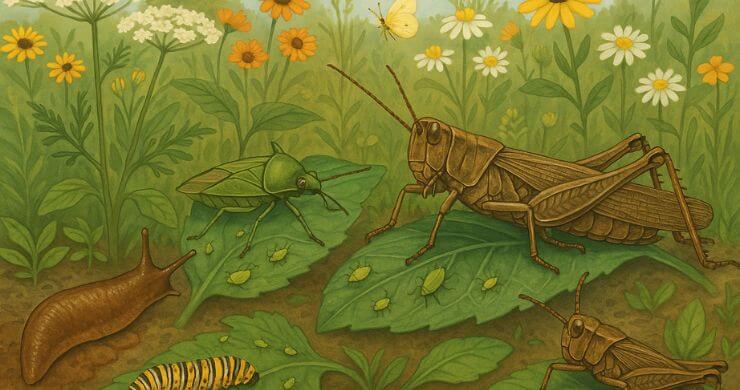
Gardens in Northeast Florida are full of life. A meadow garden in Northeast Florida can host native plants, wildflowers, and pollinator favorites. This rich environment also attracts pests. Some pests cause small damage, while others threaten vegetables, herbs, and wildflowers.
You can protect your garden without chemicals. Natural methods keep plants healthy while supporting bees, butterflies, and birds. A strong mix of native plants in Northeast Florida, wildflower gardening, and smart meadow landscaping can reduce pest pressure and build a resilient ecosystem.
Why Natural Pest Control Matters
Chemical sprays may kill pests, but they also harm pollinators. A pollinator garden needs bees, butterflies, and moths. These insects help vegetables, herbs, and native wildflowers thrive.
Natural pest control also supports soil life, birds, and beneficial insects. Choosing organic solutions builds balance. With the right mix of plants and wildlife, a Florida meadow landscaping plan can thrive year-round with fewer pest problems.
Top 10 Garden Pests in Northeast Florida
1. Aphids
Aphids are small insects that cluster on tender shoots. They drain sap and stunt growth. Vegetables, roses, and wildflowers often suffer.
Natural solution: Spray with a light mix of soap and water. Add companion flowers to attract ladybugs, which feed on aphids.
2. Whiteflies
Whiteflies gather under leaves and spread quickly in warm weather. They weaken tomatoes, squash, and greens.
Natural solution: Use yellow sticky traps to catch adults. Reflective mulch under plants confuses them. Parasitic wasps and lacewings also keep numbers low.
3. Caterpillars (Armyworms and Cabbage Loopers)
These caterpillars chew holes in cabbage, kale, and meadow plants. Damage shows as missing leaf chunks.
Natural solution: Pick them off by hand in small gardens. Use row covers to protect seedlings. Attract birds by adding shrubs and native trees.
4. Slugs and Snails
Moist conditions allow slugs and snails to thrive. They eat tender seedlings, lettuce, and wildflowers.
Natural solution: Place shallow dishes of beer as traps. Crushed eggshells create sharp barriers. Frogs and toads in a meadow garden help keep them in check.
5. Spider Mites
Spider mites cause speckled leaves and fine webbing. They attack vegetables, ornamentals, and wildflower gardens in Florida.
Natural solution: Blast them off with water. Use neem oil sprays for heavy infestations. Encourage predatory mites with plant diversity.
6. Stink Bugs
Stink bugs pierce tomatoes, peppers, and beans. They leave behind spots and deformed fruit.
Natural solution: Remove them by hand and drop into soapy water. Trap crops, such as sunflowers, lure stink bugs away from main crops. Birds and parasitic flies also feed on them.
7. Grasshoppers
Grasshoppers chew through meadow plants, vegetables, and wildflowers. Populations rise in dry weather.
Natural solution: Plant trap crops like clover. Create habitat for birds and chickens, which eat grasshoppers. Keep wildflower gardening in Florida diverse to prevent outbreaks.
8. Mole Crickets
Mole crickets tunnel through soil and damage turf, lawns, and meadow gardens. Plants show signs of wilting from root damage.
Natural solution: Apply beneficial nematodes to soil. They target mole cricket larvae. Encourage predatory birds by keeping open spaces in Florida meadow landscaping.
9. Thrips
Thrips scrape flowers and leaves, leaving streaks and scars. They reduce the beauty of pollinator gardens.
Natural solution: Use blue sticky traps to catch them. Strong-scented herbs like basil or onion deter thrips when planted nearby. Beneficial insects such as minute pirate bugs also reduce their numbers.
10. Leaf Miners
Leaf miners burrow into leaves, leaving winding trails. Vegetables like spinach, beets, and some wildflowers are common targets.
Natural solution: Remove and discard affected leaves. Plant marigolds as companions to deter pests. Parasitic wasps provide natural control.
Building a Pest-Resistant Garden
The best defense against pests is a healthy, balanced garden. By using native plants in Northeast Florida, you create habitat for birds, bees, and beneficial insects. These allies help control pests naturally.
A wildflower gardening approach adds diversity. More plant variety means fewer large outbreaks of any single pest. A pollinator garden in Northeast Florida also ensures that natural predators have nectar and pollen sources year-round.
Florida meadow landscaping helps reduce monoculture stress. A meadow garden supports pollinators and builds soil health while making the garden less attractive to pests. Strong soil and diverse plantings lead to fewer problems and better harvests.
Pests are part of every garden, but they do not have to take control. By learning about the most common garden pests in Northeast Florida, you can plan ahead. Natural solutions protect your plants while supporting bees, butterflies, birds, and other beneficial wildlife.
A meadow garden in Northeast Florida, filled with native plants and wildflowers, creates balance. Pollinator gardens and diverse meadow landscaping reduce pest damage and increase beauty. With these simple natural methods, your garden can stay healthy and thriving all year.