
Key takeaways
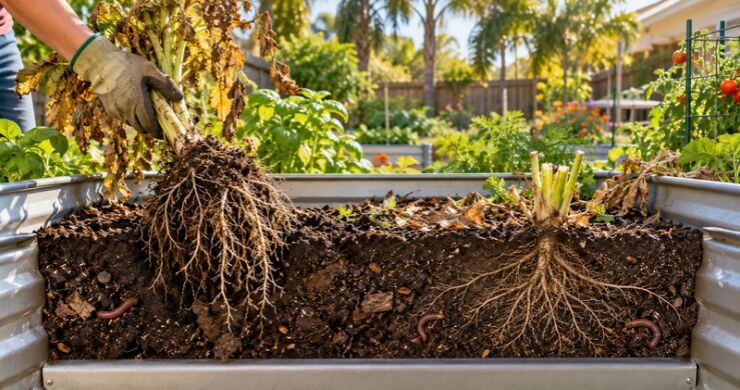
When a garden plant finishes producing, the roots left behind still have work to do. Leaving roots in soil allows them to decompose naturally, which adds organic matter, improves soil structure, and feeds beneficial organisms underground. The recommended approach is to cut plants at the soil surface and leave the root system in place. The one major exception is diseased plants. Roots from sick plants should be removed and discarded to prevent pathogens from surviving in the soil through the next growing season.
At the end of a growing season, gardeners face a familiar choice. Should old plants be pulled out entirely, or is leaving roots in soil the smarter move? The instinct to yank everything out and start fresh is strong. A tidy, cleared bed looks ready for the next round of planting.
However, research from multiple university extension programs suggests that pulling roots may actually do more harm than good. Old plant roots in garden soil continue to serve important functions long after the plant above ground has finished producing. For most healthy plants, cutting at the soil surface and walking away is both easier and better for the garden.
Understanding when to leave roots and when removing old plants from garden beds is truly necessary can save time and improve soil over multiple seasons.
How Leaving Roots in Soil Improves Garden Beds
The roots left behind after harvest do not simply sit idle underground. They become a source of food and structure for the living ecosystem below the surface.
According to the UC Master Gardener Program of Contra Costa County, decomposing roots release organic matter and nutrients into the soil. Worms, bacteria, fungi, and other beneficial organisms break down root material over time. This process enhances soil structure, making it more porous and improving both aeration and water retention.
Root networks also act as natural anchors that hold soil particles together. This reduces the risk of erosion, especially during heavy rainfall. The channels that roots create as they grow remain even after the roots themselves break down. These pathways allow air and moisture to move more freely through the soil profile.
Leaving roots undisturbed also helps preserve mycorrhizal fungi networks. These fungi form beneficial relationships with plant roots and help future crops access nutrients more efficiently. Pulling roots disrupts those connections and forces the network to rebuild from scratch.
When Old Plant Roots Should be Removed
Not every root system should stay in the ground. The most important exception involves plants that showed signs of disease during the growing season.
The University of Kentucky College of Agriculture warns that fungi and bacteria can overwinter on infected roots, stems, and leaves. Decomposing roots from diseased plants can release pathogens that survive in the soil and infect the next round of crops. Soilborne diseases like Fusarium wilt and Verticillium wilt are persistent and difficult to eliminate once established.
SDSU Extension recommends removing plants affected by disease from the garden entirely, including the root system. Diseased plant debris should be bagged and discarded in the trash, not added to a home compost pile. Most backyard compost systems do not reach temperatures high enough to destroy these pathogens reliably.
Root knot nematodes are another reason to inspect roots before deciding to leave them. These microscopic pests cause visible swellings, called galls, on root surfaces. If galls appear on the roots of removed plants, the affected root systems should be pulled and discarded.
How to Cut Plants at Soil Level and Leave the Roots
The process for leaving roots in place is simple. Once a plant has finished producing, cut the stem at or just above the soil surface. Remove the above-ground plant material and add it to a compost pile, as long as it is free of disease.
Leave the root mass completely undisturbed underground. New crops can be planted directly beside or over the old root system without issue. The UC Master Gardener Program confirms that seeds and seedlings grow well through and around decomposing roots, which actually help feed the new plants as they break down.
After cutting, adding a layer of compost or mulch on top of the bed supports continued decomposition and protects the soil surface. This approach reduces digging, preserves soil structure, and puts nutrients back where they belong.
For situations where diseased roots do need to come out, a sturdy garden shovel makes the job easier. I keep my favorite shovel nearby for exactly this kind of work, and it holds up well to heavy clay and compacted beds.
Raised Bed and Container Considerations
Raised beds benefit from the same approach. Roots left in a raised bed decompose and return nutrients directly to the contained soil volume. Over multiple seasons, this practice builds richer, more productive growing media without the need to constantly add new soil.
Gardeners planning or expanding raised beds can use a soil calculator to determine how much growing mix they need from the start. A well-filled bed with healthy root systems cycling through it each season will only improve over time.
Container gardens are slightly different. Potting mix in containers breaks down faster than garden soil, and old roots can take up valuable space in a limited volume. Refreshing container soil every season or two, while still composting the old root-filled mix, is a practical middle ground.
Frequently Asked Questions
Here are some of the most common questions gardeners ask about old plant roots and soil health.
Do old plant roots add nutrients back to the soil?
Yes. As roots decompose, they release organic matter and nutrients that benefit soil biology. Legume roots, such as those from beans and peas, are especially valuable because nodules on the roots contain nitrogen-fixing bacteria. Leaving legume roots in the ground returns nitrogen to the soil naturally.
Can new plants grow in soil that still has old roots?
Absolutely. Seeds and seedlings establish well in soil that contains decomposing roots. The old root material breaks down gradually and actually feeds new plants in the process.
How long does it take for plant roots to decompose in soil?
Most annual vegetable and flower roots break down within a single growing season. Thin, fibrous roots decompose faster than thick or woody roots. Warm, moist soil speeds up the process.
Should diseased plant roots go in the compost pile?
Diseased roots and plant debris should be discarded in the trash, not composted at home. Backyard compost piles rarely reach the sustained high temperatures needed to destroy soilborne pathogens like Fusarium or Verticillium wilt.
Keep growing with Michelle in the Meadow
Healthy soil is the foundation of a productive garden, and small decisions like leaving roots in soil can make a real difference over time. I love sharing tips like these to help gardeners work with nature instead of against it. Head over to my site for more gardening tips on soil health, seasonal planning, and growing in warm climates.
