Key takeaways
Small space gardening turns patios, balconies, side yards, and windowsills into productive growing areas. Raised beds, containers, and vertical structures help gardeners grow food and flowers without a large yard. Choosing compact plant varieties and using quality potting mix are two of the most important steps for success in a limited area.
A large backyard is not a requirement for growing food or flowers. Millions of gardeners grow herbs, vegetables, and blooms in spaces no bigger than a patio, a narrow side yard, or a single balcony. Small space gardening continues to gain popularity as more people discover how much a compact area can produce.
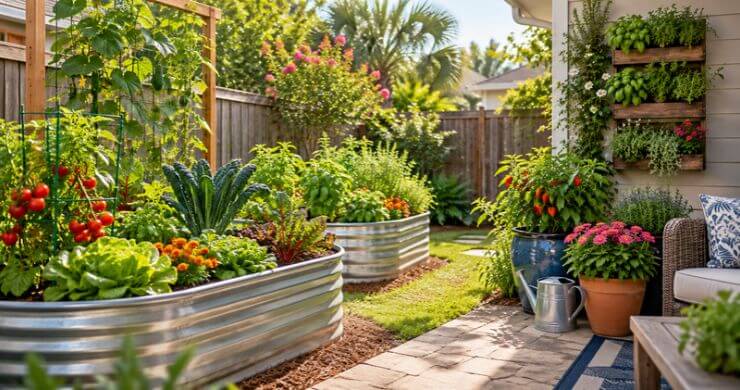
Whether the available spot is a strip of ground beside a walkway or a few pots on a sunny deck, the opportunity to grow something fresh is closer than most people realize. The key is working with the space available rather than wishing for more of it. With the right setup, the right plants, and a few practical techniques, even the smallest outdoor area can become a productive garden.
Why small space gardening is worth the effort
Growing food at home delivers real benefits, no matter how small the plot. According to the University of Georgia Cooperative Extension, gardening supports physical, nutritional, mental, and social well-being. The repetitive tasks of tending plants reduce stress and offer mental restoration. Gardening activities also meet daily physical activity recommendations for adults.
A compact garden requires less water, less soil, and less time than a sprawling plot. Gardeners in warm climates with long growing seasons can harvest multiple rounds of crops from a single raised bed or group of containers. These advantages make small space gardening a practical choice for anyone who wants fresh food without a big investment.
How to choose the right setup for your space
The first step is assessing what you already have. A sunny patio, a balcony with railing space, a strip of ground beside a driveway, or even a wide windowsill can support a garden.
Sunlight matters most. NC State Extension notes that most vegetables need at least eight hours of direct sunlight per day. Leafy greens like lettuce, kale, and spinach can grow in as few as six hours. Evaluating available light before choosing plants prevents wasted time and money.
Raised beds work well for small yards because they offer better drainage and soil control than in-ground planting. Containers are ideal for renters or anyone working with concrete surfaces. Grow bags provide a lightweight, portable option for decks and patios. The University of Wisconsin-Madison Extension confirms that almost any vegetable can succeed in a container with the right variety and pot size.
Grow up, not out: vertical gardening for tight spots
When ground space runs short, vertical gardening creates room by growing plants upward instead of outward. Virginia Cooperative Extension describes vertical gardening as well-suited to urban areas where space is limited. Balconies, decks, patios, and fence lines are all excellent locations for this approach.
Climbing crops like beans, cucumbers, and peas naturally grow on trellises and supports. Hanging baskets add herb and flower space without using any floor area. Wall-mounted planters turn blank surfaces into productive growing zones. Vertical growing also improves air circulation around plants, which helps prevent moisture-related problems.
Best plants for small space gardening
Choosing the right plants is critical for getting results from a compact garden. Iowa State University Extension lists many vegetables that thrive in small plots and containers. These include lettuce, radishes, peppers, green beans, spinach, Swiss chard, and compact tomato varieties.
Look for seed packets or plant tags labeled "dwarf," "bush," "compact," or "patio." These varieties produce full-size harvests on smaller plants. Herbs like basil, rosemary, parsley, and thyme grow well in containers of almost any size. Matching plants to available sunlight and container depth gives each crop the conditions it needs to produce.
Soil and watering tips for container and raised bed gardens
Containers and raised beds need a quality potting mix rather than soil dug from the yard. The University of Minnesota Extension explains that potting mixes are lightweight, soilless blends of peat moss, compost, perlite, and vermiculite. These mixes drain well while holding enough moisture for healthy root growth. A slow-release fertilizer mixed in before planting supports steady nutrition through the growing season.
Small containers dry out faster than large ones, especially during hot weather. Checking the soil daily and watering when the top inch feels dry keeps plants healthy. Adding a layer of organic mulch on top of the soil reduces moisture loss between waterings.
For gardeners planning raised beds, a raised bed soil calculator helps estimate the right amount of potting mix needed. I use Vego raised beds in my own garden, and they hold up well through hot Florida summers while keeping soil and drainage conditions consistent.
Frequently asked questions
Here are answers to some of the most common questions gardeners ask about growing in compact areas.
What vegetables grow well in small spaces?
Lettuce, radishes, peppers, herbs, green beans, and compact tomato varieties all perform well in containers and raised beds. Choosing dwarf or bush varieties increases the harvest from a limited area.
How much sunlight does a small garden need?
Most vegetables require six to eight hours of direct sunlight per day. Fruiting crops like tomatoes and peppers need the most light. Leafy greens and root vegetables can tolerate slightly less.
Can you grow a garden on a balcony or patio?
Yes. Containers, hanging planters, and railing-mounted pots all work on balconies and patios. Drainage and weight limits are the two main factors to check before placing heavy pots on elevated surfaces.
What size raised bed works best for a small yard?
A 4-by-4-foot or 2-by-4-foot bed fits most small yards and provides enough room for several vegetable varieties. A depth of at least 12 inches supports root crops and larger plants.
Ready to start growing?
Small space gardening proves that a productive, beautiful garden fits in just about any spot. I hope this guide gives you the confidence to start growing, even if your outdoor area is compact. For more gardening tips on raised beds, containers, and organic growing, explore the rest of Michelle in the Meadow. Have you tried growing in a small space? I would love to hear what has worked for you in the comments.