
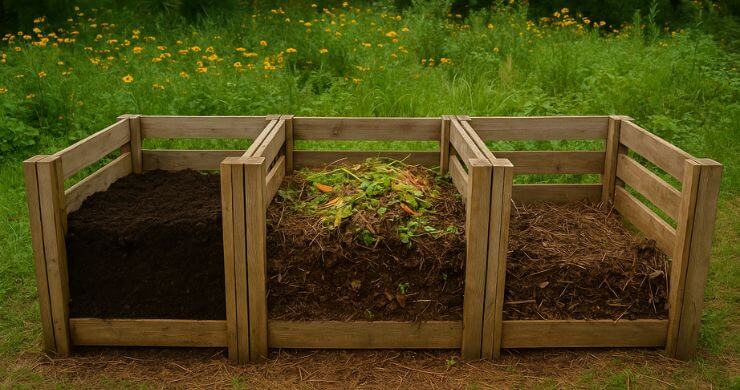
Healthy soil feeds strong plants. Compost builds that soil. In Northeast Florida, composting is one of the best ways to grow native plants and wildflowers without using synthetic fertilizers. A well-built compost system turns everyday garden waste and kitchen scraps into dark, nutrient-rich material.
This natural process improves soil structure, holds moisture, and adds nutrients. The result is a stronger base for wildflowers, grasses, and perennials to grow. If you manage a meadow garden in Northeast Florida, compost will help keep the soil fertile and balanced year-round. Your plants will grow better, and pollinators will thrive.
Composting also reduces waste. Instead of sending organic scraps to the landfill, you return them to the earth. This closed-loop approach supports the health of the garden and the local ecosystem.
Why Composting Helps Florida Meadow Landscaping
Northeast Florida’s soil is often sandy, quick-draining, and low in organic matter. These conditions make it hard for plant roots to hold water and nutrients. Compost changes that. It fills the soil with humus, the crumbly material that gives structure and life to garden beds.
By adding compost, you create better growing conditions for native plants in Northeast Florida, including milkweed, goldenrod, and blazing star. These plants support bees, butterflies, and other pollinators. Healthy compost also increases microbial activity in the soil, which improves plant health and resistance to disease.
For Florida meadow landscaping, compost is the engine that keeps the system running. It encourages deep root growth, stronger stems, and better flower production—without relying on chemical products. With consistent composting, your garden becomes more self-sustaining over time.
Choose a DIY Compost System That Works in All Seasons
You can build a compost system at home with minimal tools and low cost. The goal is to choose a method that fits your space, your time, and the amount of organic waste you generate. In Florida’s climate, you also need to protect against excess rain and heat.
Common Composting Methods
- Open Pile: A free-form heap on the ground. Easy to build but may attract pests or become soggy in rainy weather.
- Bin System: A simple wooden or plastic container. Contains the material and helps with airflow.
- Compost Tumbler: A rotating drum that speeds decomposition. More expensive but good for small yards and faster results.
Many gardeners use a three-bin system. One bin is active (adding new material), one is resting (decomposing), and one is finished (ready to use). This method gives you compost at different stages, all year long.
For Northeast Florida, choose a shaded spot to reduce evaporation. Raise the bin off the ground slightly to improve drainage. Cover the pile or use a lid to control moisture during heavy rains.
This setup works well for gardeners focused on wildflower gardening and those who want to reduce dependency on store-bought soil amendments.
What to Compost in a Garden
Compost needs the right mix of green and brown materials. Green materials are rich in nitrogen. Brown materials provide carbon. The balance of these materials feeds the microbes that break everything down.
Green Materials (Nitrogen)
- Vegetable peels and fruit scraps
- Coffee grounds and tea bags
- Fresh grass clippings
- Garden trimmings from wildflowers and herbs
Brown Materials (Carbon)
- Dry leaves and pine needles
- Shredded paper or newspaper
- Straw or hay
- Small dry twigs and dead flower stalks
Avoid adding meat, bones, dairy, oils, or pet waste. These can attract animals and slow the process. Also avoid adding weeds that have gone to seed or diseased plants.
Layer green and brown materials like a sandwich. Keep the pile moist, but not soggy. It should feel like a damp sponge. Turn the pile with a pitchfork or shovel every one to two weeks to add oxygen. This speeds up the process and prevents odor.
Composting Through the Seasons
One of the benefits of gardening in Northeast Florida is the long growing season. Composting can continue through all four seasons, but small adjustments help improve results.
Summer
High temperatures speed up decomposition. But too much water from storms or humidity can lead to soggy, smelly piles. Add more brown materials during this time and turn the pile often.
Fall
This is one of the best times to collect brown material. Rake up leaves and trim back plants that are going dormant. These materials can stock your bin through the winter.
Winter
Composting slows but does not stop. Microbes work slower in cooler temperatures, but you can keep feeding the pile in small amounts. Covering the bin helps maintain warmth.
Spring
This is when you harvest the finished compost. Use it to top-dress your garden beds, mix into soil before planting, or make compost tea for seedlings. Spring applications give your pollinator garden in Northeast Florida a strong start.
Using Compost in a Meadow Garden
Finished compost is dark, crumbly, and smells earthy. When it’s ready, you can spread it directly on top of the soil or mix it into the top few inches of planting beds.
Use compost to support wildflower seeds and transplants. Apply a layer around native plants to improve soil life and water retention. For pollinator gardens, compost helps keep blooms going longer, giving bees and butterflies steady access to nectar.
You can also mulch over the compost using pine straw, leaves, or bark. This locks in moisture and prevents weeds. Over time, compost and mulch break down together, building better soil.
Start Small and Build Over Time
You don’t need a large setup to start composting. A single bin or pile is enough for most home gardeners. Use what you have. Grass clippings, leaves, food scraps, and garden waste all contribute to fertility.
The best part is that composting connects directly to the health of your garden. It supports Florida meadow landscaping that stays productive without chemical inputs. It also reduces waste and strengthens the local environment.
Start your DIY compost system today. With each handful of compost, you grow healthier soil, stronger plants, and a more vibrant garden space.
