A meadow garden in Northeast Florida can bring color, life, and pollinators to any outdoor space. But the key to keeping it healthy lies beneath the surface — in the soil. Many gardeners throw away leaves, grass clippings, and food scraps without realizing these materials can be turned into valuable resources.
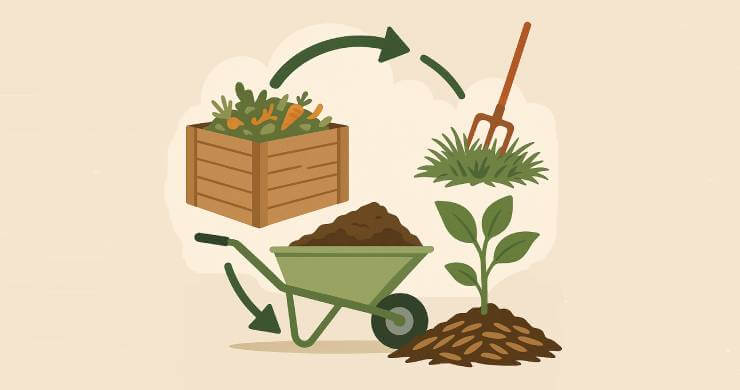
By reusing what the garden produces, you close the loop. This means keeping nutrients cycling through the soil, supporting native plants, and creating ideal conditions for wildflower gardening in Florida. Let’s explore simple, organic ways to turn garden waste into a benefit for your plants, pollinators, and soil health.
Why Closing the Loop Matters
Healthy soil is the foundation for any thriving garden. In meadow gardens in Northeast Florida, composted leaves, pruned branches, and food scraps enrich the soil naturally. This creates better growing conditions for native plants in Northeast Florida and supports pollinators that rely on wildflowers for nectar.
By closing the loop, you reduce waste, avoid sending organic matter to landfills, and save money on fertilizers. Even better, you help build the living soil ecosystems that make Florida meadow landscaping flourish.
Composting – The Heart of the Process
Composting is the simplest and most effective way to recycle garden waste. For gardeners in Northeast Florida, it works year-round thanks to the warm climate.
Composting for Meadow Gardens
Start with a simple compost pile in a sunny or partially shaded spot. Add grass clippings, shredded leaves, kitchen scraps, and small twigs. Keep the pile moist but not soggy, and turn it every few weeks to let air in. Over time, microbes break everything down into rich, dark compost.
Hot composting speeds things up by balancing “greens” like fresh clippings with “browns” such as dried leaves. This process creates heat, breaking down waste quickly and killing weed seeds in the process. The finished compost can be added around plants in wildflower gardens or spread over new planting areas to feed the soil.
What to Include and What to Avoid
Include leaves, grass, fruit and vegetable scraps, coffee grounds, and pruned stems. Skip invasive weeds, diseased plants, and anything sprayed with chemicals. This keeps your compost healthy and safe for pollinator gardens and native plant beds.
Mulching for Soil Health
Mulch turns garden waste like shredded leaves, pine needles, or chipped branches into a tool for better soil. Spread mulch two to three inches thick around plants in Florida meadow landscaping projects to keep roots cool, hold moisture, and reduce weeds.
As the mulch breaks down, it adds organic matter back into the soil. This improves the growing environment for native plants in Northeast Florida, making them stronger and more drought-tolerant. For wildflower gardening in Florida, mulch also helps keep seedlings moist as they establish.
Vermicomposting for Small Spaces
Not every gardener has room for a compost pile, but a worm bin can fit on a patio or balcony. Vermicomposting uses red worms to break down food scraps quickly.
The result is worm castings, a nutrient-rich soil amendment often called “black gold.” Mixing worm castings into soil beds feeds native plants and boosts bloom production in pollinator gardens in Northeast Florida. Plus, it keeps kitchen scraps out of the trash.
Creative Ways to Reuse Yard Waste
Beyond compost and mulch, garden waste can be repurposed in other ways:
- Wood chips for paths: Chipped branches create natural-looking walkways in Florida meadow landscaping projects.
- Leaf mold as soil conditioner: Pile leaves in a corner, let them break down slowly, then use the crumbly result to improve soil texture.
- Branches for trellises or borders: Trimmed limbs can become supports for climbing plants or natural edges for wildflower gardens.
These simple ideas keep materials on-site while saving money and resources.
Building a Pollinator-Friendly Garden
Using compost, mulch, and leaf mold creates healthy soil that supports blooms for bees, butterflies, and hummingbirds. Pollinator gardens thrive when planted with native plants in Northeast Florida that adapt well to local conditions.
By closing the loop, you provide the fertile ground needed for wildflower gardening in Florida and help pollinators find food and shelter right in your backyard.
A Simple Step Toward a Thriving Garden
Recycling garden waste through composting, mulching, and creative reuse keeps nutrients in the soil where they belong. These organic methods help meadow gardens in Northeast Florida flourish while supporting pollinator gardens and wildflower landscapes.
Start small — maybe a compost pile or a mulch layer — and watch how these simple steps bring healthier soil, vibrant flowers, and thriving pollinators to your outdoor space.