
Florida’s humid climate creates the perfect environment for fungal diseases to thrive. Warm air and frequent rainfall allow spores to spread quickly through gardens. Leaves that stay wet for long periods provide fungi with the moisture they need to grow and infect plants. In Zone 9B, this cycle can continue year-round because there is little break from the heat and humidity.
The most common fungal diseases in Florida gardens include powdery mildew, leaf spot, rust, and blight. Powdery mildew shows up as a white, dusty coating on leaves, while rust often appears as orange or brown spots. Blight can spread quickly, wiping out crops such as tomatoes or potatoes in just a few weeks. These problems weaken plants, reduce harvests, and can spread to other plants if not managed carefully.
Recognizing Early Signs of Fungal Problems
Early detection is one of the most important steps in controlling fungal diseases. Once fungi become established, they are harder to manage. Gardeners who regularly check plants are more likely to catch problems before they spread.
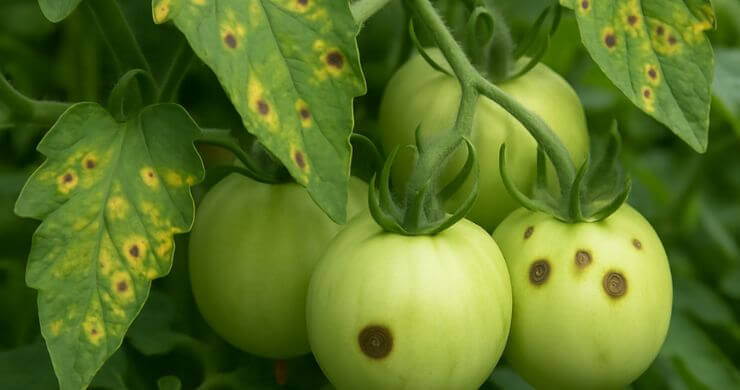
Signs to watch for include yellowing or browning leaves, dark or circular spots on foliage, and fuzzy or powdery coatings. Wilting can occur even when the soil has enough moisture because the fungus blocks the plant’s ability to transport water. On fruit and flowers, symptoms may include discoloration, soft spots, or poor development.
For example, tomatoes may develop dark sunken areas from early blight, cucumbers may show white patches from powdery mildew, and beans may lose large sections of foliage to rust. Recognizing these symptoms early allows gardeners to take quick, organic action.
Cultural Practices That Prevent Fungal Diseases
Strong gardening habits form the backbone of fungal disease prevention. By making small changes in daily care, gardeners can reduce the risk of fungal spread and keep plants healthier.
- Space plants properly. Crowded plants trap moisture and limit air circulation. Giving plants room allows leaves to dry more quickly after rain or dew.
- Water at the soil level. Drip irrigation or soaker hoses direct water to the roots while keeping leaves dry. Overhead watering splashes spores from soil to plant surfaces.
- Use mulch. Organic mulch such as straw, pine needles, or wood chips prevents soil splash, conserves moisture, and creates a barrier against fungal spores.
- Prune regularly. Thinning excess stems or branches improves airflow. Remove infected leaves right away and discard them rather than composting, which may spread spores.
- Rotate crops. Planting different crops each season prevents fungi from building up in the soil where the same plant family has grown repeatedly.
These cultural practices, when combined, reduce stress on plants and lower the chance of disease outbreaks.
Organic Remedies and Natural Supports
Even with the best prevention, fungal issues can still appear in Florida gardens. When that happens, organic gardeners rely on natural remedies that support plant health without chemicals.
- Compost teas. When brewed properly, compost tea introduces beneficial microbes that compete with harmful fungi and strengthen plant immunity.
- Neem oil and horticultural oils. These plant-based oils create a protective barrier on leaves that slows fungal growth.
- Baking soda sprays. Simple sprays with baking soda mixed in water can change leaf surface conditions, making it harder for powdery mildew to spread.
- Milk sprays. Diluted milk has shown success in reducing powdery mildew, offering an easy household option for organic gardeners.
Organic-approved products like sulfur and copper sprays are also available, but they should be used sparingly. Overuse can harm soil life and beneficial organisms. These treatments are best applied only when fungal pressure is high and other methods are not enough.
Building Plant Resilience Through Soil Health
Healthy soil is one of the best defenses against fungal diseases. Soil rich in organic matter holds moisture evenly, drains well, and supports beneficial microbes. Compost, aged manure, and cover crops all improve soil health and boost microbial activity.
Beneficial microbes compete with harmful fungi, protecting plant roots and improving nutrient uptake. Resilient plants grown in healthy soil are better able to resist infection.
Plant selection also plays an important role. Many seed companies now offer varieties bred for resistance to common fungal diseases. Choosing these varieties gives Florida gardeners an advantage. Companion planting, such as mixing herbs and flowers with vegetables, also supports plant health by attracting beneficial insects and creating a more diverse environment.
Seasonal Considerations in Florida Gardens
The risk of fungal diseases changes with the seasons in Florida. Summer is the most challenging time because daily rains and high humidity keep leaves wet for long periods. During this season, it is important to monitor plants daily, prune often, and remove any diseased leaves quickly.
Winter brings cooler temperatures and less rain, but fungal problems can still occur. Heavy morning dew often lingers on leaves, creating the moisture fungi need. Even during the drier season, gardeners should continue spacing, mulching, and watering at the soil level.
By adjusting care practices for each season, gardeners can prevent small issues from turning into larger outbreaks.
Managing fungal diseases in Florida’s humid climate requires a combination of prevention, observation, and organic practices. Gardeners who focus on proper spacing, soil-level watering, mulching, and pruning create an environment that discourages fungal growth. When problems do appear, organic sprays and natural remedies provide safe and effective support.
Healthy soil, resistant plant varieties, and seasonal adjustments add another layer of protection. With consistent care and attention, Florida gardeners can reduce the impact of fungal diseases and enjoy thriving, productive gardens year after year.
