
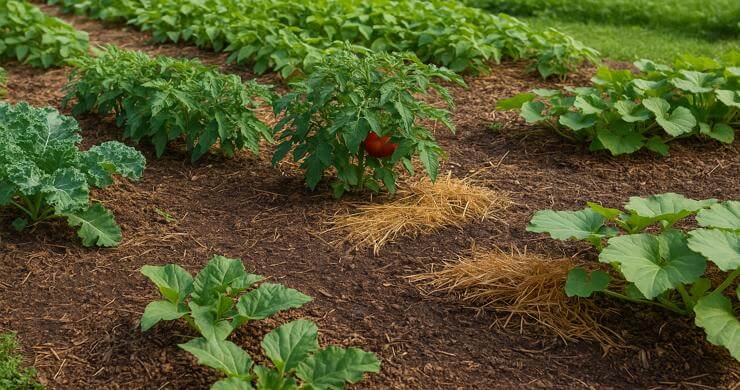
No-till gardening is a simple way to grow vegetables without disturbing the soil. Instead of digging or turning the ground, you leave the soil structure in place and build fertility on top. This method keeps soil life healthy, holds moisture better, and reduces weeds over time.
For gardeners in Zone 9B who want a steady supply of fresh vegetables, no-till gardening can be the key to a productive and sustainable garden. It works with nature instead of against it, creating a space where vegetables thrive with less effort each season.
What Is No-Till Gardening?
No-till gardening means you plant vegetables without turning or tilling the soil. Instead, you create layers of organic material on top of the ground. Compost, leaves, straw, or grass clippings break down naturally to feed the soil over time.
This approach keeps earthworms, fungi, and microbes in place so they can do their work. These soil helpers create air pockets, break down organic matter, and move nutrients around for healthy roots. A garden full of life underground leads to stronger vegetable growth above ground.
No-till methods also protect soil from heavy rain, reduce erosion, and lock in moisture for crops. Because the soil structure stays intact, roots can grow deeper and reach water more easily.
Benefits for Self-Sufficient Vegetables
A no-till garden can supply vegetables for your family with less work over time. The method focuses on building soil health naturally, which makes plants stronger and more productive.
- Better soil fertility – Organic layers feed plants slowly as they decompose. Each year the soil grows richer, holding more nutrients for vegetables. Healthy soil means less need for outside fertilizers.
- Less watering needed – Covered soil stays cooler and holds water longer. In Florida’s hot summers, this can mean the difference between thriving vegetables and stressed plants.
- Fewer weeds – A thick mulch layer blocks sunlight so weed seeds cannot sprout easily. Over several seasons, weed pressure drops as seeds fail to germinate.
- Continuous planting – Because soil stays healthy, you can plant in each season with minimal prep work. The soil remains loose and fertile without needing to be dug or turned.
- Lower labor needs – Less digging, fewer weeds, and improved moisture mean less time spent on daily garden tasks.
These benefits make no-till gardening a strong choice for anyone who wants to grow their own food naturally while saving time and energy.
How to Start a No-Till Garden
Starting a no-till garden is easy. You do not need special tools or expensive materials. Follow these steps for success:
Step 1: Choose a sunny spot
Pick a location with at least six hours of direct sunlight. Vegetables like tomatoes, peppers, and beans need full sun for best growth. Avoid low areas that stay wet after rain because good drainage helps roots stay healthy.
Step 2: Layer organic matter
Start with cardboard or thick newspaper on the ground to smother existing grass or weeds. Add layers of compost, leaves, or straw on top, at least six inches deep. Over time, worms and microbes will break this down into rich soil.
Step 3: Plant directly in the compost
For seeds, make small holes through the mulch and sow directly into the compost layer. For transplants, clear a small space and plant seedlings right into the layers. As roots grow, they move down into the soil below.
Step 4: Add mulch around plants
Use straw, dried leaves, or grass clippings around each plant. Mulch keeps moisture in, stops weeds, and creates habitat for soil life.
Step 5: Keep soil covered year-round
After vegetables finish producing, do not leave the soil bare. Add more mulch or plant cover crops like clover to protect and enrich the soil until the next planting season.
Best Vegetables for No-Till Gardens
Many vegetables grow well in no-till gardens, especially in Zone 9B with its mild winters and long growing season. Some top choices include:
- Tomatoes – Thrive in rich, moist soil with consistent nutrients from compost layers.
- Peppers – Like warm soil that mulch keeps at an even temperature.
- Beans – Fix nitrogen into the soil and grow well without tilling.
- Squash and zucchini – Spreads easily and benefits from the moisture mulch holds in.
- Leafy greens – Lettuce, kale, spinach, and Swiss chard appreciate the cooler soil under mulch layers.
- Root crops – Carrots, beets, and radishes push through loose compost with little effort.
Growing a mix of these vegetables across seasons gives you a steady harvest for fresh eating and storage.
Simple Tips for Success
A few easy habits will keep your no-till garden productive:
- Add compost often – A fresh layer each season keeps soil fertile and soft.
- Rotate crops – Grow different vegetables in each bed to prevent pests and nutrient imbalances.
- Plant cover crops – Clover or rye adds nitrogen and protects soil between vegetable plantings.
- Harvest regularly – Picking vegetables often encourages more growth and prevents plants from getting overripe.
- Observe soil moisture – Water when needed but avoid overwatering since mulch helps retain moisture naturally.
These steps build a balanced garden ecosystem where vegetables grow with less stress.
No-till gardening saves time, builds soil health, and supports a steady supply of homegrown vegetables. By layering organic materials and keeping the soil covered, you create a thriving environment for plants and soil life. Over time, your garden becomes easier to manage while producing fresh food for your family.
Try no-till gardening this season and enjoy the rewards of a self-sufficient, organic vegetable garden.
