
Perennial vegetables grow back year after year without replanting. Once established, they continue to provide food with less effort than annual crops. In Northeast Florida Zone 9B, the long growing season and mild winters create the perfect environment for many perennial vegetables. These plants thrive in heat, handle seasonal rains, and keep producing even when annual vegetables struggle.
Growing perennials also supports healthy soil. Since the roots stay in place, the soil structure improves, and organic matter builds up over time. Gardeners save money, reduce labor, and enjoy a steady harvest season after season.
Why Plant Perennial Vegetables in Zone 9B
Zone 9B is known for its warm climate, long summers, and short winters. These conditions allow many tropical and subtropical plants to grow as true perennials. Instead of replanting every season, you can invest once and harvest for years.
Perennials also support organic gardening. They provide shelter for pollinators, reduce the need for tilling, and help maintain balanced soil ecosystems. Less soil disturbance means fewer weeds and stronger soil life, both of which benefit your garden in the long run.
Chaya (Tree Spinach)
Chaya, sometimes called tree spinach, is a hardy perennial green well-suited to Florida’s heat. It grows as a shrub and can reach up to 8 feet tall. The leaves are highly nutritious and abundant throughout the year.
Harvesting is simple—regular pruning keeps the plant healthy and ensures a steady supply of leaves. Chaya must always be cooked before eating to neutralize naturally occurring toxins, but once prepared, it makes an excellent substitute for spinach or collards.
Malabar Spinach
Malabar spinach is a vining perennial green that thrives in hot, humid summers. While not a true spinach, it fills the summer gap when most leafy greens stop growing. Its thick, glossy leaves can be eaten raw in salads or cooked like traditional greens.
This plant grows well on a trellis or fence, adding vertical interest to the garden. It also produces small flowers that attract pollinators, making it both useful and beautiful.
Katuk (Sweet Leaf Bush)
Katuk, also called sweet leaf, is a tropical shrub that produces edible leaves with a nutty flavor. It grows well in partial shade, making it a good choice for areas under trees or near taller plants.
The leaves are packed with protein and vitamins, and the plant grows quickly when pruned regularly. Frequent harvesting encourages bushier growth and provides a reliable supply of tender leaves.
Longevity Spinach
Longevity spinach, known as Gynura procumbens, is a sprawling groundcover that produces edible leaves. Many gardeners use it fresh in salads, stir-fries, or teas. It is popular in traditional medicine and valued for its health benefits.
The plant spreads easily and roots from cuttings, so it is simple to share with friends or expand across your garden. With minimal care, longevity spinach produces year-round in Zone 9B.
Everglades Tomato
The Everglades tomato is a small cherry-type tomato that thrives in Florida’s challenging climate. Unlike many hybrid tomatoes that require constant attention, Everglades tomatoes reseed themselves and continue growing each season.
These plants tolerate heat, humidity, and pests better than most tomato varieties. The small fruits have a sweet flavor and are excellent for snacking or adding to salads. Once established, this tomato often pops up on its own year after year.
Society Garlic
Society garlic is a perennial herb with edible leaves and flowers that taste similar to mild garlic. It grows in clumps and produces purple blooms that add color to the garden.
This plant is drought-tolerant and low maintenance. It works well in both garden beds and containers. Besides being a flavorful addition to meals, society garlic also functions as an ornamental border plant.
Asparagus
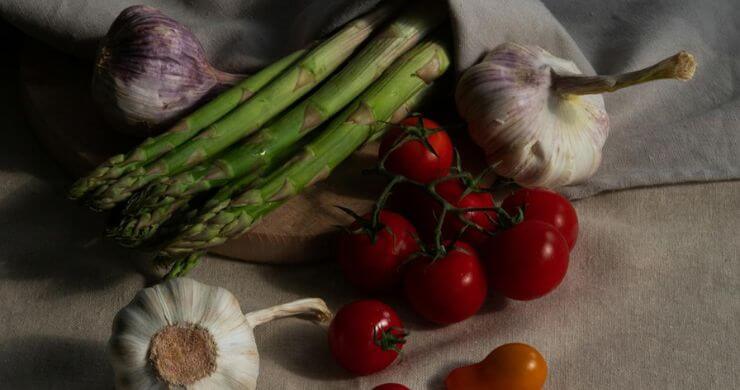
Asparagus is a classic perennial vegetable that can thrive in Zone 9B with patience. It takes about two to three years for asparagus crowns to establish before they produce full harvests, but once mature, they return every spring.
The spears are tender and flavorful, and a healthy asparagus patch can keep producing for decades. With well-prepared soil and consistent care, asparagus becomes a long-term investment in your garden.
Caring for Perennial Vegetables in Zone 9B
Perennials require less work than annuals, but they still benefit from consistent care. Start with soil rich in compost and organic matter. Mulch around plants to keep moisture in and suppress weeds. Water deeply during dry spells, especially while plants are young and establishing roots.
Regular pruning and harvesting encourage continuous growth. For spreading plants like longevity spinach, trim back runners to keep them manageable. Dividing or propagating plants every few years can also refresh growth and expand your garden.
Perennial vegetables are a smart choice for Zone 9B gardeners. They save time, reduce costs, and provide food year after year. By planting perennials like chaya, Malabar spinach, katuk, longevity spinach, Everglades tomatoes, society garlic, and asparagus, you create a garden that keeps producing without constant replanting.
Start with one or two plants and enjoy the steady harvest. Over time, you can build a garden filled with perennial vegetables that reward you with both flavor and sustainability. Plant once, harvest for years—your garden will thank you.