Growing your garden from saved seeds is a simple and satisfying way to keep your garden thriving year after year. For gardeners in Northeast Florida, seed saving is more than just a fun activity—it’s a way to grow stronger plants, save money, and support the local environment. If you grow a meadow garden, pollinator patch, or focus on Florida native plants, learning to save seeds is a smart step toward self-sufficient gardening.
This beginner-friendly guide explains how to collect, clean, and store seeds from your garden in a way that works in Florida’s unique climate.
Why Save Seeds in a Florida Meadow Garden?
Seed saving helps you grow plants that are well-suited to your specific soil and weather conditions. In Florida, the long growing season and humid climate offer ideal conditions for many native plants to thrive and reseed naturally. By saving seeds from plants that perform well in your garden, you’re encouraging a more resilient and productive landscape.
This method also supports the development of your meadow garden in Northeast Florida, where native wildflowers and grasses can create a balanced and beautiful landscape with minimal inputs. Unlike non-native plants, Florida-adapted plants develop deep roots, resist local pests, and provide food for native wildlife.
Another benefit is the support of pollinators. Seed saving keeps your garden stocked with flowers that feed bees, butterflies, and birds. This is especially valuable in pollinator gardens, where blooms from spring through fall keep your space lively and full of beneficial activity.
Finally, saving seeds helps you maintain plant diversity in your garden. You preserve traits such as drought resistance, compact growth, or longer bloom times that might not be found in store-bought seed packs.
Best Plants for Seed Saving in Northeast Florida
For your first seed-saving efforts, choose plants that are easy to grow and produce visible seeds. Many native plants in Northeast Florida produce abundant flowers and dry seed heads, making them perfect for beginners.
Here are great choices to start with:
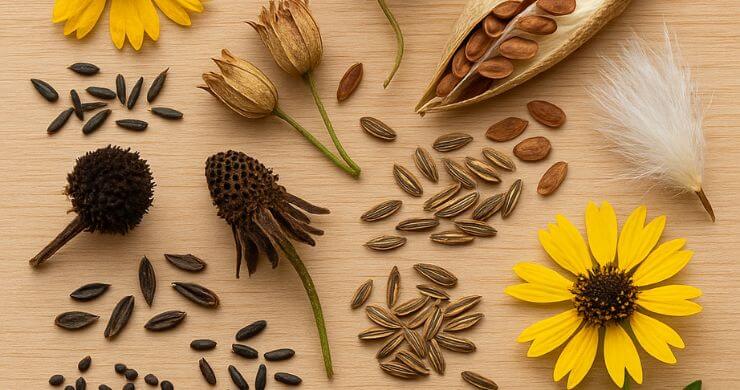
- Coreopsis – Known as Florida’s state wildflower, this plant has daisy-like yellow blooms and produces lots of small seeds in dry heads after blooming.
- Blanketflower (Gaillardia) – Thrives in poor soils and full sun. The spiky seed heads are easy to pull apart to collect seeds.
- Black-eyed Susan – A favorite in wildflower gardening in Florida, these flowers produce cone-shaped seed heads filled with tiny black seeds.
- Beach sunflower (Helianthus debilis) – Excellent for coastal areas and Florida meadow landscaping. Seeds are found in the center of dried flower heads.
- Milkweed (Asclepias spp.) – Essential for monarch butterflies. Collect seeds when the pods crack open and release silky fluff.
These plants don’t just look great—they help build sustainable gardens by supporting bees, butterflies, and other pollinators. They reseed easily and fit well into pollinator gardens and meadow-style landscapes across Florida.
When and How to Harvest Seeds
Seeds are usually ready to collect after flowering has finished and the plant begins to dry. In Florida, this often happens from late summer through early fall. Let the seed heads dry fully before collecting them. You’ll know they are ready when they turn brown and start to crack open or drop seeds naturally.
Follow these steps:
- Let the plant fully mature. Avoid cutting flowers too early. Seed formation needs time.
- Choose a dry day for harvest. Moisture can cause seeds to mold.
- Cut off seed heads or pods. Use clean scissors or pruners.
- Place them in paper bags or mesh sacks. This allows air circulation and prevents rot.
Some seeds—like those from milkweed or blanketflower—may scatter if not harvested quickly. You can tie mesh bags around seed heads as they mature to catch the seeds before they fall.
Cleaning and Storing Seeds
Once you’ve gathered your seeds, let them dry for several more days indoors. Spread them out on a screen or paper towel in a cool, dry area away from direct sunlight.
Next, remove any leftover plant parts or fluff. This process is called “cleaning.” Clean seeds last longer in storage and are easier to plant later.
To store your seeds:
- Use paper envelopes to keep them dry and labeled.
- Store envelopes in airtight glass jars or metal tins.
- Label each envelope with the plant name and harvest date.
Keep your seeds in a dark, dry place. A cupboard or refrigerator works well in Florida’s humid climate. Avoid storing seeds in plastic unless you add a moisture-absorbing packet.
Planting from Saved Seeds
Many Florida native plants are adapted to reseed themselves naturally in the wild. You can mimic this by sowing saved seeds directly into garden beds in the fall or early winter.
To plant:
- Rake or lightly disturb the soil surface.
- Scatter seeds evenly across the soil.
- Press them down with your hand or board.
- Do not bury seeds too deep—some need light to sprout.
Water gently after sowing and keep the soil moist until seedlings appear. Some seeds may not germinate until spring, especially if they need cold weather to break dormancy.
This method works especially well for wildflower gardening in Florida and maintaining your meadow garden over time.
Seed saving is a simple way to build a self-sustaining garden. Start with just one or two plant types and expand as you gain confidence.
Here are a few final tips:
- Share seeds with neighbors or attend local seed swaps.
- Record notes on which plants did best in your yard.
- Watch how pollinators respond to your plant choices.
Gardening in Northeast Florida offers unique advantages, especially when you focus on native plants, pollinator-friendly flowers, and low-maintenance meadow landscaping. Saving seeds helps you grow a garden that improves every season—naturally, beautifully, and affordably.
