
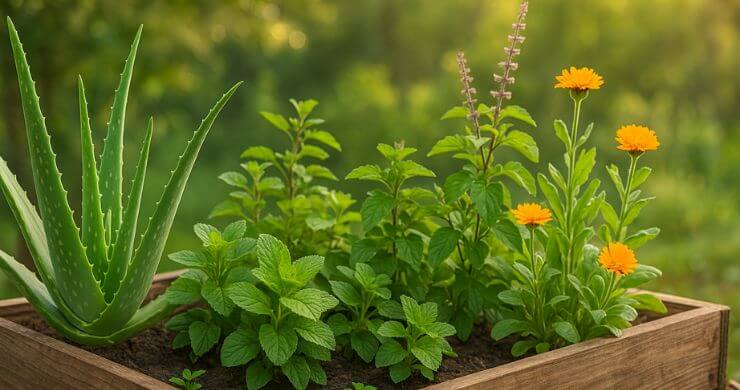
Florida gardeners face unique challenges. The soil is often sandy, low in nutrients, and quick to dry out. Heavy summer rains can flood plants, while weeds grow fast in the warm climate. Raised beds give gardeners an advantage by creating controlled spaces that improve soil, manage drainage, and reduce weed pressure. In Northeast Florida, where sudden downpours can wash away seeds, a raised bed protects plants and keeps them secure.
Raised beds also help gardeners work more comfortably. The higher level reduces the need to bend or kneel for planting and harvesting. This makes gardening more enjoyable and accessible for people of all ages. By improving growing conditions and making the process easier, raised beds are truly a game-changer for Florida gardeners.
Improve Soil and Drainage with Raised Beds
One of the biggest benefits of raised beds is soil control. Florida’s native soil lacks organic matter, which means plants often struggle to grow. A raised bed lets gardeners add compost, mulch, and natural soil amendments to build fertile ground. Over time, this rich soil supports stronger roots and produces healthier plants.
Drainage is another major advantage. During summer storms, water often pools on flat ground. Raised beds lift plants above standing water, reducing the risk of root rot. At the same time, mulch helps keep soil moist during hot, dry spells. This balance is especially useful in a meadow garden Northeast Florida homeowners may want to create, where both flowers and vegetables need steady growing conditions.
Raised Beds Help Native Plants Thrive
Using raised beds to grow native plants Northeast Florida gardeners love brings both beauty and function. Native plants are well adapted to the local climate and require less water once established. They also resist many pests naturally. A raised bed gives these plants room to grow without competition from aggressive weeds.
Examples of native flowers that thrive in raised beds include Blanketflower, Coreopsis, and Black-eyed Susan. These blooms add vibrant color to any yard and attract pollinators such as bees and butterflies. Gardeners can also include native herbs and grasses, which blend well with vegetables or other ornamentals. By combining native plants with raised beds, gardeners reduce maintenance while supporting Florida’s natural ecosystem.
Wildflower Gardening is Easier in Raised Beds
Wildflower gardening Florida residents enjoy often faces the challenge of invasive weeds taking over. Raised beds make it easier to manage a dedicated wildflower patch. Seeds germinate better in prepared soil that is loose, well-drained, and full of organic matter. Because raised beds are clearly defined, it is easier to remove weeds before they spread.
A seasonal wildflower bed brings color throughout the year. Coreopsis, the Florida state wildflower, provides bright yellow blooms. Coneflowers and Rudbeckias add rich tones of pink, purple, and gold. Planting a mix of wildflowers ensures continuous blooms that keep the garden lively and inviting. A raised wildflower bed also attracts butterflies, bees, and hummingbirds, which are essential for pollination.
Use Raised Beds in Florida Meadow Landscaping
Florida meadow landscaping creates natural beauty by blending wildflowers, grasses, and shrubs. Raised beds can serve as design features within this type of yard. For example, a raised bed filled with vegetables or brightly blooming flowers can sit in the center of a larger meadow planting. Surrounding it with ornamental grasses or native wildflowers creates a smooth transition from formal garden to natural landscape.
Raised beds also allow for experimenting with plants that may need richer soil or more water than the surrounding meadow can provide. This combination gives gardeners flexibility in designing a landscape that looks natural but still supports diverse plant life. By mixing raised beds with meadow-style areas, gardeners create a space that is both attractive and functional.
Raised Beds Support Pollinator Gardens
A pollinator garden Northeast Florida residents design often benefits from the organization raised beds provide. Planting in defined spaces makes it easy to group flowers by bloom season. Pollinators then have a steady food supply from early spring through late fall.
For monarch butterflies, milkweed is essential. Raised beds allow gardeners to plant milkweed alongside nectar-rich flowers like pentas, salvia, and native wildflowers. Bees benefit from herbs such as basil, oregano, and thyme, which flower naturally when left to grow. Hummingbirds are drawn to tubular flowers like firebush and coral honeysuckle. By planting these in raised beds, gardeners create an inviting habitat where pollinators can thrive year-round.
Practical Tips for Raised Beds in Florida
Building raised beds does not require special skills, but materials matter in Florida’s climate. Untreated cedar resists rot, galvanized steel withstands humidity, and concrete blocks provide long-lasting structure. Beds should be at least 12 inches deep for vegetables, while larger shrubs or native grasses may need 18 inches or more.
Soil should be a mix of compost, topsoil, and organic matter. This combination provides nutrients, holds water, and drains well. Adding mulch on top helps regulate temperature, keeps roots cool, and reduces evaporation. For watering, drip irrigation is effective and conserves water by delivering moisture directly to plant roots. These steps make raised beds productive and sustainable.
Why Florida Gardeners Should Start with Raised Beds
Raised beds solve many of the problems Florida gardeners face with soil, drainage, and weeds. They also make it easier to grow native plants, wildflowers, and pollinator-friendly flowers. Whether used as the centerpiece of a meadow garden Northeast Florida homeowners want to design or as part of Florida meadow landscaping, raised beds provide flexibility and long-term success.
Even starting with a single raised bed can transform a yard. Over time, gardeners can add more beds, expand planting options, and create a thriving space that supports people, pollinators, and the environment. Raised beds are not just a trend—they are a practical solution that helps Florida gardens flourish.
