Gardening in harmony with nature doesn’t just mean growing beautiful plants — it’s also about reducing what we throw away. In a meadow garden in Northeast Florida, practicing zero-waste gardening allows us to repurpose scraps, weeds, and garden clippings into powerful assets for the soil, pollinators, and local wildlife.
Instead of tossing leaves, trimmings, or food scraps, zero-waste gardeners transform them into resources that enrich their gardens and reduce landfill use. This practice is particularly rewarding for those cultivating native plants in Northeast Florida, creating pollinator gardens, and pursuing Florida meadow landscaping. Here’s how you can start turning your garden "waste" into long-term wealth for your landscape.
What is Zero-Waste Gardening?
Zero-waste gardening is the practice of reusing, recycling, or naturally breaking down all materials from your garden and kitchen rather than sending them to the curb. It draws inspiration from the cycles of the natural world, where nothing is truly wasted — fallen leaves become mulch, and dead plants enrich the soil.
For gardeners working with wildflower gardens in Florida or managing a pollinator garden in Northeast Florida, zero-waste principles create healthier soil, conserve water, and nurture the ecosystem your native plants thrive in. It’s a way to garden more thoughtfully and sustainably, while saving time and money.
Composting Scraps into Nutrient-Rich Gold
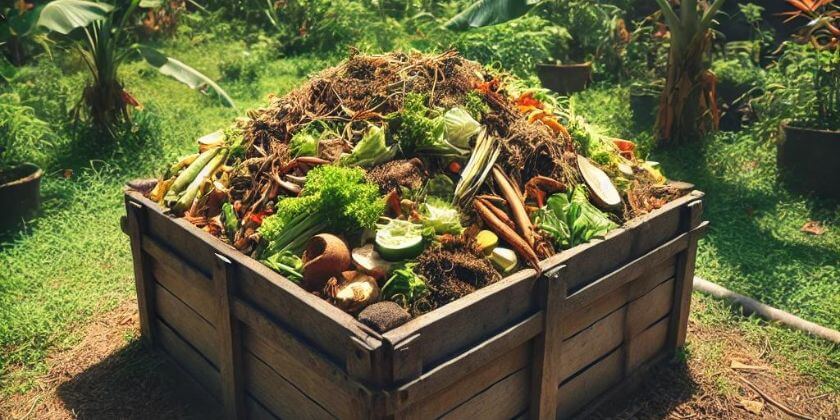
One of the easiest ways to embrace zero-waste gardening is by composting your kitchen scraps. Things like fruit and vegetable peels, coffee grounds, tea leaves, and crushed eggshells can all be turned into a dark, rich soil amendment known as compost.
You don’t need a fancy setup — a small backyard pile or enclosed bin will do. Layer green materials (scraps and fresh weeds) with brown materials (dried leaves, newspaper, or cardboard). Turn the pile every couple of weeks, and in a few months, you’ll have black gold for your garden beds.
Compost is especially helpful for sandy soils common in Northeast Florida. It improves moisture retention and adds vital nutrients to support native wildflowers and meadow garden plants, encouraging stronger roots and more vibrant blooms.
Chop-and-Drop: Free Mulch from Your Own Garden
Rather than bagging up clippings or pulling weeds and tossing them, try a method called “chop-and-drop.” Simply cut back overgrown plants or non-invasive weeds, chop them into smaller pieces, and lay them on the ground as mulch.
This technique suppresses future weed growth, retains moisture, and slowly feeds your soil as the plant material breaks down. Be careful not to drop any weeds that have gone to seed or are known to be aggressive spreaders.
In Florida meadow landscaping, chop-and-drop is especially useful around native grasses, wildflowers, and shrubs. It mimics the natural layering you’d see in a wild meadow, supporting biodiversity while saving effort.
Some Weeds are Secret Garden Heroes
Not all weeds are bad. Some so-called weeds are actually native plants or early successional species that play important roles in your garden’s ecosystem. Before yanking something out, take time to identify it. Plants like Spanish needles, fleabane, or partridge pea may provide nectar for bees or be the larval host for butterflies.
Of course, it’s important to control truly invasive species, but reframing your view of "weeds" helps you align your garden more closely with natural Florida systems. In wildflower gardening across Florida, these uninvited guests often support pollinators during seasons when other flowers are sparse.
Don’t Rake Away the Benefits of Leaf Litter
One of the most overlooked sources of free garden nutrients is right under your feet — leaves. Instead of raking and bagging, let leaves lie where they fall or collect them into garden beds as mulch.
Leaf litter helps regulate soil temperature, preserve moisture, and feed beneficial microorganisms. It also creates habitat for insects that serve as food for birds, reptiles, and frogs — all valuable players in a thriving pollinator garden in Northeast Florida.
If you’re cultivating native plants in Northeast Florida, they are especially adapted to these conditions and benefit from a low-maintenance, mulch-rich environment similar to their natural habitat.
Reduce Plastic and Water Waste with Smart Choices
Zero-waste gardening goes beyond compost and mulch. Collecting rainwater in barrels or using repurposed containers for planters cuts down on plastic and utility usage. When you make compost or mulch from your own yard’s debris, you also reduce the need for store-bought bags and processed fertilizers.
In a Florida meadow garden, these strategies blend beautifully. Native plants already require less water and care, so combining them with zero-waste techniques creates a low-input, high-impact garden space that supports wildlife while conserving resources.
Let Nature Lead the Way
Zero-waste gardening isn't about being perfect — it's about shifting your mindset. When you look at kitchen scraps, weeds, and fallen leaves not as waste but as raw materials, you begin to see your garden as a living system, not just a pretty space.
By adopting zero-waste methods, you’re not only reducing your footprint — you’re actively building a garden that supports pollinators, nourishes native plants, and reflects the rhythms of nature here in Northeast Florida.
Michelle in the Meadow encourages every gardener to embrace what nature already knows: nothing goes to waste when you're growing with intention.