

Key takeaways
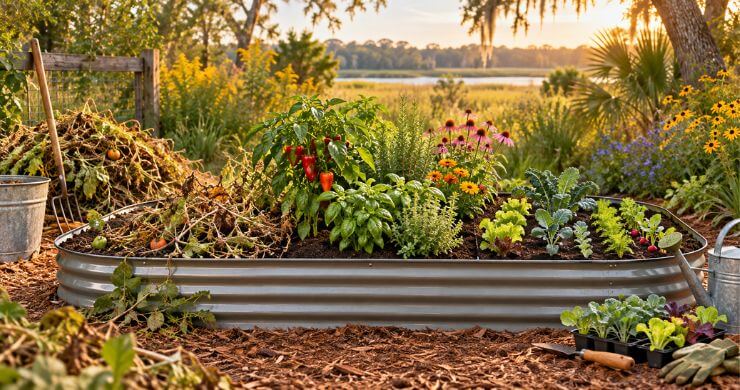
Resetting a fall garden in Northeast Florida comes down to three simple steps that any gardener can follow. First, clear out spent summer crops, weeds, and unhealthy plants, while keeping healthy natives and seed heads for wildlife. Next, refresh the beds with compost and mulch. Finally, plant cool-season vegetables, herbs, and native wildflowers from September through late fall.
Fall marks the start of the busiest growing season for a fall garden in Northeast Florida. While gardens up north wind down, UF/IFAS Extension Putnam County notes that September kicks off fall planting in North Florida, with lows that can reach the 60s by month's end. Those cooler nights give cool-season crops a welcome break from the heat.
Summer beds rarely look their best by then. Heat, heavy rain, and long days leave behind tired plants, stubborn weeds, and worn-out soil. A simple reset clears the way for the new season, and the steps below walk through each stage from cleanup to replanting.
What to Clear and What to Keep After Summer
Start the reset with a slow walk through the garden. Note summer crops that have stopped producing, plants that look unhealthy, and weeds that are close to setting seed. Pulling weeds before they drop seed means far fewer weeds to fight next spring.
Remove spent crops at the roots and add healthy plant material to the compost pile. Pull any plant that looks unhealthy so the new season starts with a clean slate. Clearing a few beds at a time keeps the job manageable and leaves shelter for wildlife in the rest of the garden.
A good fall garden cleanup in Florida does not mean clearing every stem, though. For more ideas on planning beds through the seasons, browse the gardening articles here on the blog.
Keep heat-tolerant crops that are still producing, along with healthy perennials and herbs. There is no need to rush a productive plant out of the ground just to tidy up. Native plants and late bloomers deserve a spot too, because they feed bees and butterflies well into the fall months. These plants form the backbone of a pollinator garden in Northeast Florida.
UF/IFAS Gardening Solutions recommends leaving wildflower seed heads standing through winter, since the seeds feed birds. Hollow stems also shelter nesting insects, so wait until late spring to cut them back. Fallen leaves can stay in place as well, where they build soil and work as a natural mulch.
How to Prepare Your Beds for Fall Planting
Healthy fall crops start with healthy soil. UF/IFAS soil scientists describe soil testing as the most effective way to learn a garden's pH and nutrient levels. A test before adding amendments shows exactly what each bed needs. A local extension office can explain how to collect and submit a sample.
Raised beds often settle after a long, rainy summer. Top them up with fresh soil mix and compost before planting, and use the soil calculator to figure out how much mix each bed needs. Filling beds to the right level gives new roots plenty of room to grow.
Organic matter is the next priority for sandy Florida ground. According to UF/IFAS organic gardening guidance, Florida soils typically contain less than 1.5% organic matter. Mixing finished compost into the soil a few weeks before planting improves its structure and helps it hold water and nutrients.
Spread it evenly across the whole bed rather than in a few thick piles. Healthy, spent plants from the cleanup can feed the compost pile too, so the reset keeps giving back over time.
Finish each bed with a thick layer of organic mulch, such as pine straw or shredded leaves, to hold moisture and slow weeds. Keep the mulch pulled back slightly from young stems so seedlings have room to grow. Moving all that compost and mulch takes real effort. I haul mine in my Gorilla Carts poly dump cart, which saves me plenty of trips across the yard.
What to Plant in Your Fall Garden in Northeast Florida
Many gardeners wonder what to plant in fall in Florida, and the good news is that the list is long. The UF/IFAS North Florida Gardening Calendar suggests broccoli, carrots, cabbage, and collards for September. October adds bulbing onions and salad crops such as arugula, lettuce, and spinach.
Herbs thrive in the cooler weather too. Mexican tarragon, mint, rosemary, and basil can go in during September, while dill, fennel, oregano, and sage suit October planting. Tucking a few flowers near vegetable beds also invites helpful insects into the garden. Keep the calendar handy, since it lists fresh options for every month of the season.
Fall is also a great time to add native wildflowers. UF/IFAS Extension Duval County highlights October as the best month to start wildflower seeds. Scatter seeds on the surface of a sunny, weed-free spot and press them in gently without covering them, since some seeds need light to sprout. Water the area lightly each day for the first couple of weeks, then taper off as seedlings appear.
Transplants from a local garden center give the season a fast start, while seeds offer more variety. Transplants like broccoli and cabbage settle in best when their planting holes are loose and roomy. I dig mine with my favorite American-made shovel, which makes quick work of loosening the soil. Planting windows can shift a little from year to year in Zone 9A/9B, so keep an eye on the forecast.
Frequently Asked Questions
Here are quick answers to common questions about resetting a fall garden. Each answer builds on the steps above.
What should I put on my garden in the fall?
Compost and organic mulch are the most useful additions for fall beds. For any areas left unplanted, the same UF/IFAS organic guide recommends winter cover crops such as cereal rye, crimson clover, and Austrian winter pea.
What to plant at the end of fall?
Cold-hardy crops are the best choice once late fall arrives. The North Florida calendar lists broccoli, cabbage, kale, and lettuce for November, plus herbs like cilantro, dill, parsley, and thyme. Duval County Extension places the median first freeze in Jacksonville around November 21 or later, so keep plant covers ready for cold nights.
How do you restart your garden?
Restart a garden by clearing spent and unhealthy plants, testing the soil, and mixing in compost. Then mulch the beds and plant crops that suit the current season. Leaving some seed heads and leaf litter in place also supports birds and pollinators through the winter.
Get More Zone 9 Gardening Tips
A fall garden in Northeast Florida rewards a little effort now with months of fresh harvests and colorful blooms. For more Zone 9 gardening tips, explore the other posts on the blog.
Have you started your fall reset yet? I'd love to hear what you're planting this season in the comments. Some links in this post are affiliate links, so please read my full disclosure policy for details.
Leave a Reply