
Key Takeaways
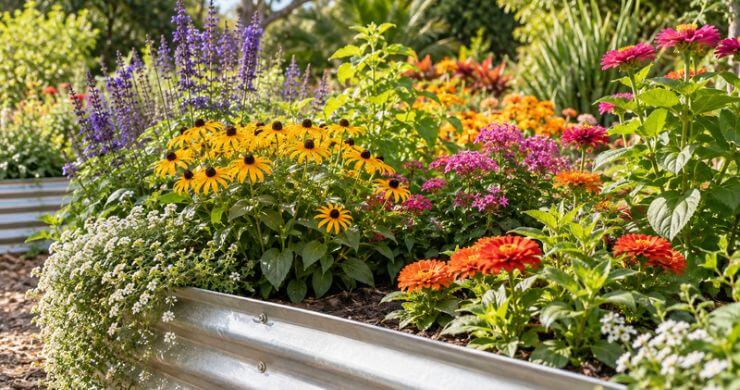
Fall is one of the most productive planting seasons in Northeast Florida. Gardeners in Zone 9A/9B can extend color through autumn with reliable perennials like firespike, salvia, and muhly grass, plus cool-season annuals such as snapdragons and pansies. Native wildflowers like goldenrod and blazing star also add seasonal color while supporting pollinators. Choosing the right flowers and preparing the soil with organic matter gives a fall garden the strongest start.
Many gardeners assume the growing season ends when summer does, but in Northeast Florida, the opposite is true. Fall flowers in Northeast Florida thrive as temperatures drop from the high heat of summer into the comfortable range of the 70s and low 80s. The warm soil and cooler air create ideal conditions for root growth and steady blooming. Zone 9A/9B gardens can stay colorful well into December with the right plant choices.
Fall is actually one of North Florida's best seasons for planting and landscape projects. Plants set in the ground during autumn have months to establish roots before facing summer heat again. This gives fall-planted flowers a major advantage over those planted in spring.
Perennials That Keep Blooming Into Fall
Several warm-climate perennials continue producing flowers through the fall months in Zone 9A/9B. These plants return year after year, reducing the need for seasonal replanting.
Firespike is one of the strongest fall performers in North and Central Florida. This perennial grows 4 to 6 feet tall and produces clusters of tubular red flowers during fall and winter. Firespike attracts hummingbirds and several species of butterflies. It tolerates a range of soil conditions and handles drought well once established.
Pentas produce red, pink, or white flowers and serve as a reliable food source for hummingbirds and butterflies. In many areas of Florida, pentas grow as perennials. They prefer full sun and well-drained soil. A light trim during fall encourages continued blooming.
Salvia varieties also perform well through autumn. Perennial salvias are heat tolerant and come in many colors, from red and purple to white. They bloom through spring, summer, and fall in Zone 9, making them a reliable anchor for any fall garden bed.
Muhly grass rounds out the fall perennial display with fluffy pink to purple flower stalks. This Florida native grass grows 2 to 3 feet tall and blooms in October and November. Garden designers often plant muhly grass in large groups for a sweeping, drift-like effect. It thrives in full sun and has strong drought tolerance.
Cool-Season Annuals to Plant in Fall
While perennials provide the backbone of a fall garden, cool-season annuals bring bold seasonal color. These flowers perform best once temperatures drop below the mid-80s in Northeast Florida.
Snapdragons are among the most reliable cool-season flowers for Zone 9, and October and November mark the ideal planting window. They range from six inches to three feet tall and come in a wide variety of colors. Snapdragons prefer full sun and soil amended with organic matter. They continue blooming through winter and into early spring.
Pansies and violas offer dependable fall and winter color in beds, borders, and containers. These compact flowers handle light frost without trouble. They bloom steadily from fall through spring in Zone 9A/9B, giving months of color from a single planting.
Dianthus and petunias fill out fall garden beds with texture and variety. Both perform well in full sun and cooler temperatures. For warm fall color tones, marigolds and celosia are strong options that bridge the gap between late summer and the cooler weeks ahead.
The best time to plant these annuals in Northeast Florida is from late September through November. Soil temperatures remain warm enough for roots to establish quickly, while cooler air reduces heat stress on new transplants. Find more gardening tips for seasonal planting throughout the year.
Native Wildflowers for a Northeast Florida Fall Garden
Native wildflowers add seasonal beauty with very little maintenance. These plants have adapted to local soil and climate conditions over generations.
Goldenrod is one of the most visible fall wildflowers across North Florida. Its bright yellow flower clusters appear along roadsides and open fields from September through November. Goldenrod is essential to bees, butterflies, and other pollinators as summer blooms fade. Despite a common misconception, goldenrod does not cause seasonal allergies, as ragweed is the actual source.
Blazing star adds striking purple spikes to the fall landscape. Several species of Liatris grow throughout Florida, blooming from summer through late fall depending on the variety. Blazing star attracts monarchs and other butterflies during their fall migration.
Tickseed, also known as Coreopsis, extends its golden blooms into fall across North Florida. This is Florida's official state wildflower. All of these native wildflowers are available through seed companies and local nurseries for home garden use.
Tips for Keeping Fall Flowers Healthy in Zone 9
A few simple steps help fall flowers establish quickly and bloom longer. Start with soil preparation. Most Florida soils are low in organic matter and benefit from the addition of compost, rotted leaves, or commercial soil mixes before planting. Work organic material into the soil at least a few weeks before setting out new plants.
Adjust watering as temperatures cool. Fall-planted flowers need regular moisture while roots establish, but less frequent watering than summer gardens require. Water deeply and allow the soil surface to dry slightly between sessions.
Apply a layer of organic mulch around new plantings to retain soil moisture and regulate temperature. Leave 2 to 3 inches of space around the base of each plant to prevent rot. Deadheading spent blooms throughout the season encourages continued flowering.
Frequently Asked Questions
Fall planting raises common questions for gardeners in Northeast Florida. Here are answers to the ones that come up most often.
When is the right time to plant fall flowers in Northeast Florida?
The best planting window runs from late September through November. Soil temperatures remain warm enough for strong root growth while air temperatures begin to cool. Plants set in the ground during this window have fall, winter, and spring to establish before summer heat returns.
Can mums grow well in Northeast Florida?
Mums can provide short-term fall color in Zone 9A/9B, but they often struggle with the lingering heat of early fall. Waiting until mid-October or later to plant gives them a better chance of lasting through the season. They work best in containers where soil conditions are easier to manage.
What fall flowers attract pollinators in Zone 9?
Firespike, salvia, goldenrod, and blazing star are among the strongest pollinator plants that bloom during fall. These flowers support bees, butterflies, and hummingbirds at a time when fewer food sources remain in the landscape. Fall is also a peak season for butterfly activity in parts of Florida.
Do fall-planted flowers survive Florida's mild winters?
Many cool-season annuals like snapdragons, pansies, and violas continue blooming through winter in Zone 9A/9B. These flowers handle light frost without damage and often provide color all the way into spring. Perennials like firespike may die back to the ground after a hard freeze but typically return from the roots when warmer weather arrives.
Keep Your Garden Growing
Fall flowers in Northeast Florida prove that the growing season never really ends in Zone 9. Whether the goal is bold perennial color, seasonal annuals, or low-maintenance native wildflowers, fall offers one of the best windows to plant and enjoy results quickly.
I love sharing seasonal gardening ideas and would enjoy hearing what works in your garden. Have you tried any of these fall flowers? Share your experience in the comments. For more seasonal planting inspiration, explore what we have here on the blog.
