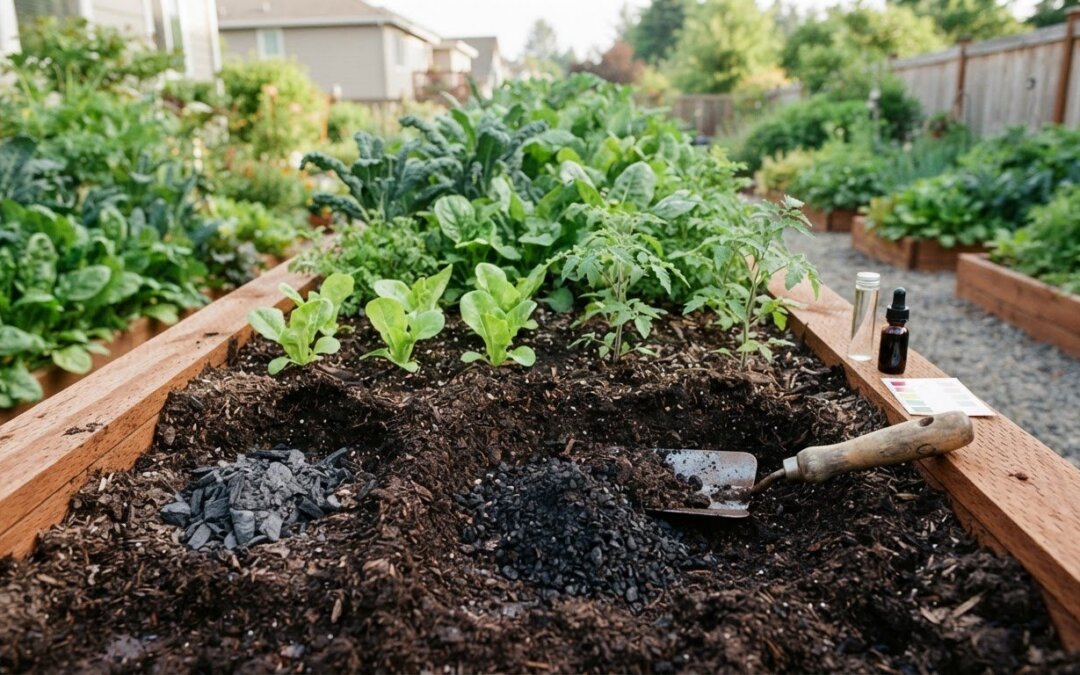
 Biochar isn’t a guaranteed win for every garden bed. A biochar soil conditioner for garden beds can help condition soil, but its effect depends on the biochar and the soil it’s added to. For soil incorporation, start with biochar at 5-10% of soil volume, and consider...
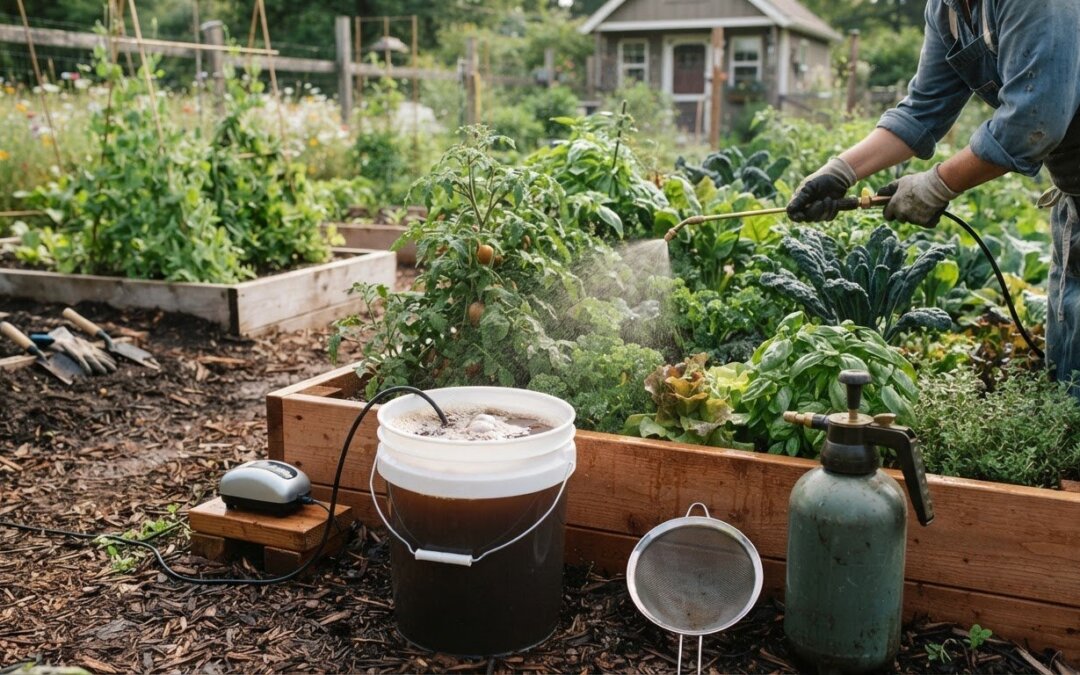 The brew matters, but where you put it matters just as much. To learn how to brew compost tea for vegetables, start with a 5-gallon bucket, 2 cups of fully finished organic compost, 1 tablespoon of unsulfured blackstrap molasses, and 1 tablespoon of liquid kelp...
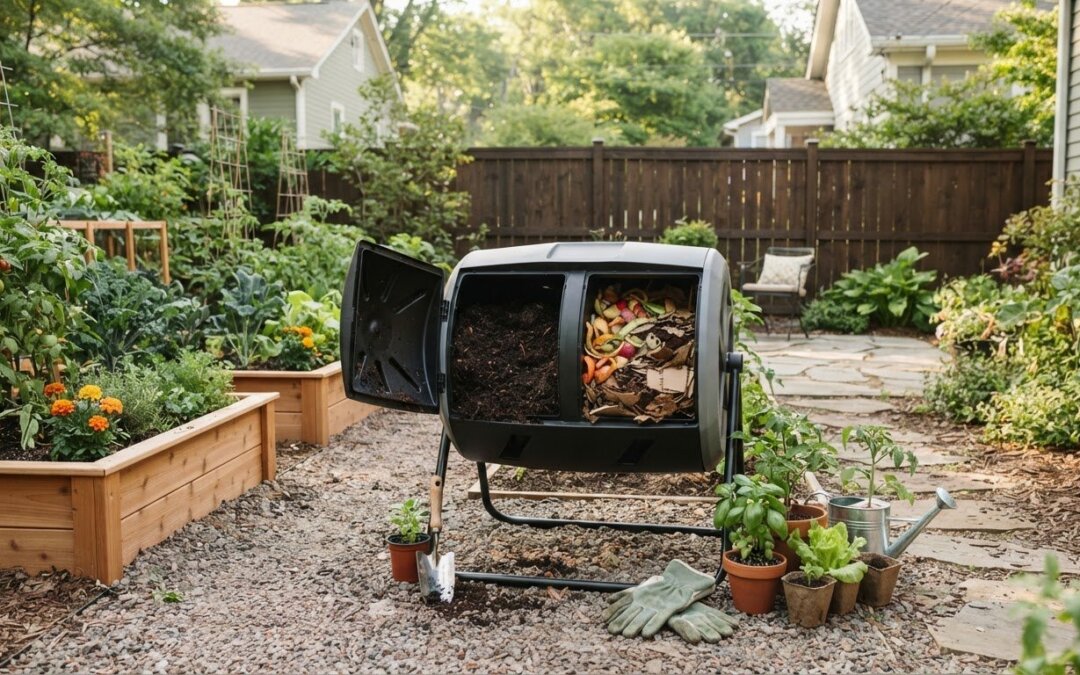 The best compost tumbler for small yards is usually a dual-chamber model, especially if you want to keep adding scraps while a separate batch finishes. For one or two people composting mostly kitchen scraps, a capacity of 18 to 25 gallons is a practical fit; a family...
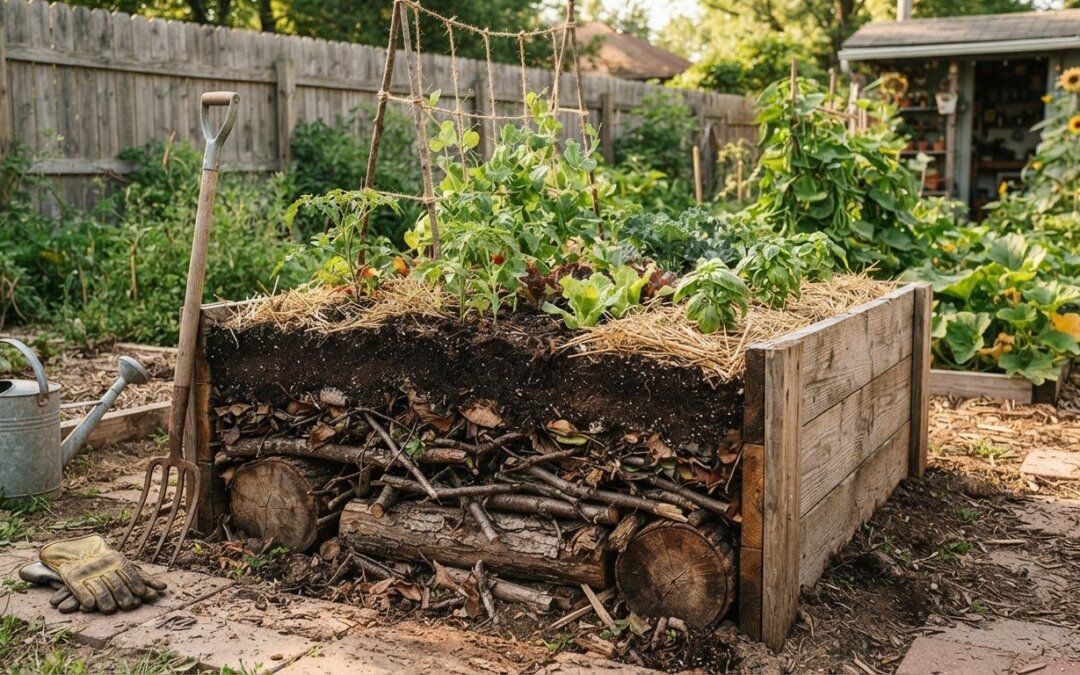 A deep raised bed can start with wood, not a truckload of soil. The hugelkultur method for deep raised beds layers logs and branches beneath smaller organic materials, compost, planting soil, and mulch. Oklahoma State University Extension recommends filling...
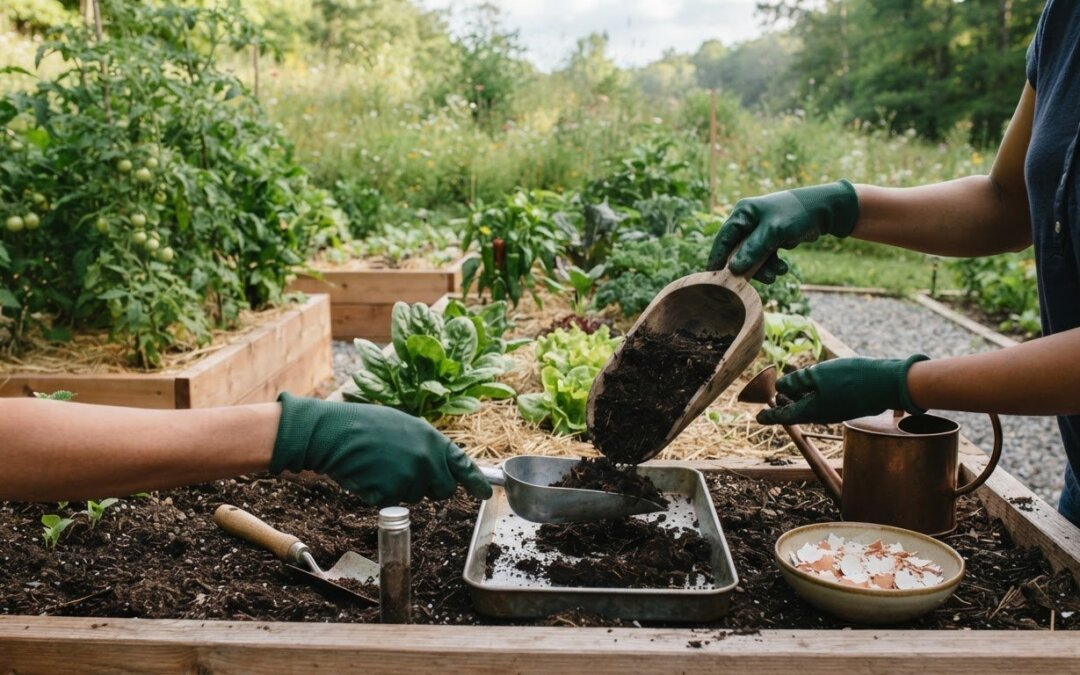 What if the best homemade fertilizer is the one you use only when your vegetables need it? It’s tempting to try every recipe you find, especially when kitchen scraps and garden leftovers seem like easy ways to feed plants. But diy organic fertilizer for vegetables...