
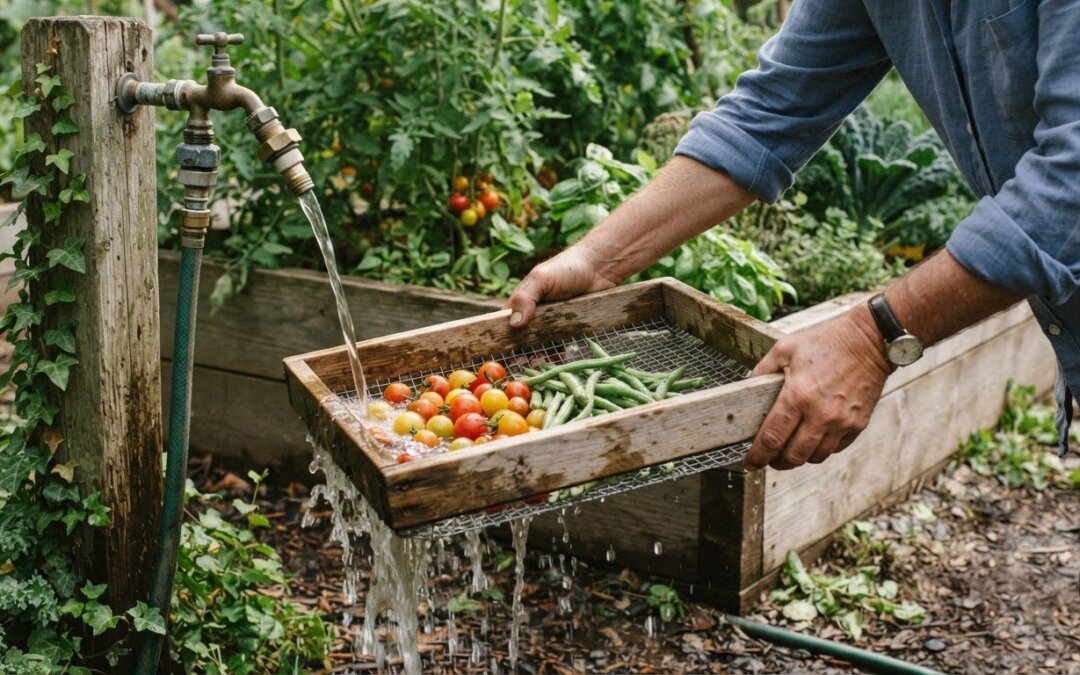
A garden harvesting basket hod with wire mesh measures 11 inches wide. That gives you a useful starting point, but width alone doesn’t tell you how much produce it holds or how it will feel to carry through the garden.
A harvest basket needs to suit the crops you pick and the way you move them from garden to kitchen. If you’re weighing up whether this style is a practical fit, this guide will help you consider its dimensions, capacity, wire-mesh design, price, and shipping. We’ll look at what each detail can tell you, and where you’ll need more than a single measurement to judge whether the basket matches your harvest routine. By the end, you’ll have a clearer way to think about the trade-offs, from the space the basket takes up to how its design fits your picking and rinsing habits.
Key Takeaways
- Use the basket’s dimensions to judge whether its shape fits your picking routine and storage space.
- Think about the crops you harvest and how you’ll carry them when assessing practical capacity.
- Consider how the wire-mesh design fits your produce-handling preferences, not just its appearance.
- Compare the item price and shipping details together to understand the full cost of ordering.
Basket dimensions
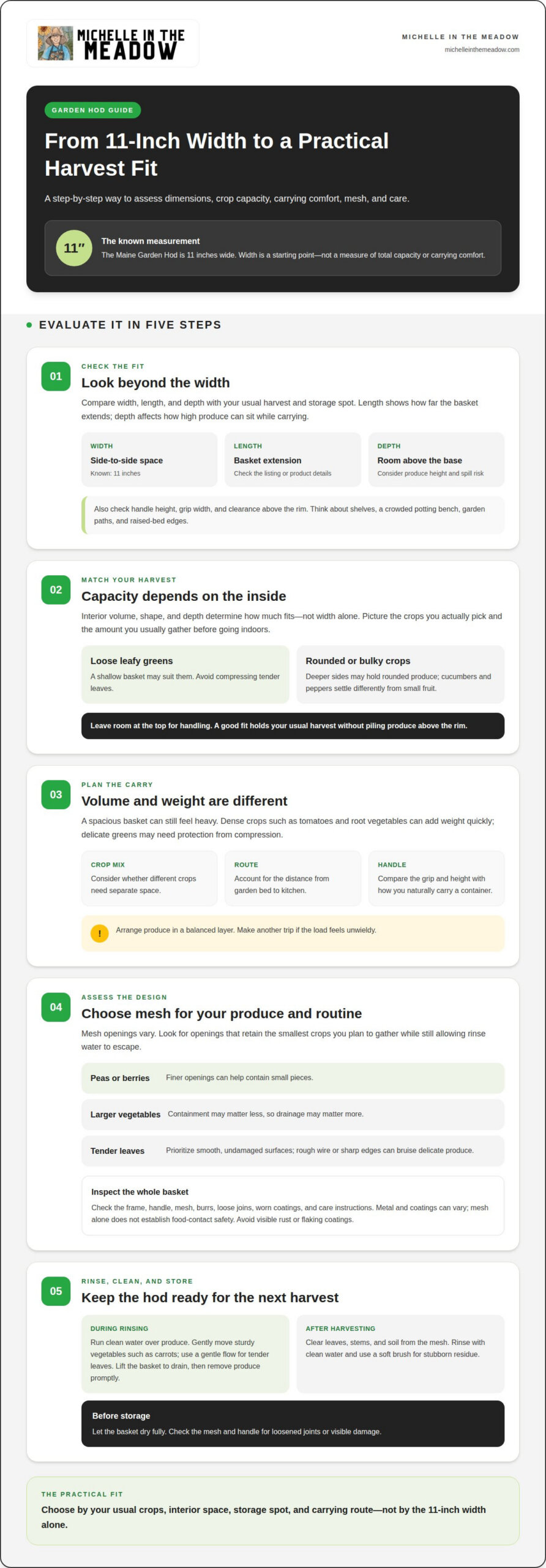
The Maine Garden Hod measures 11 inches wide. That measurement gives you a starting point for judging its footprint. Width alone, though, cannot tell you how much garden produce it holds. Length, depth, and usable interior space also shape how a hod fits your harvest routine. Compare those dimensions with your usual picking needs and storage spot. A narrow shelf, crowded potting bench, or small garden path may affect which shape feels practical.
For a useful comparison, consider width, length, and depth. Width describes side-to-side space, length shows how far the basket extends, and depth affects how high produce can sit without spilling as you carry it. Tomatoes picked from a raised bed and leafy greens gathered near the kitchen door have different shapes and harvesting routines, so one outside measurement cannot answer every fit question.
For home gardening, choose a hod whose dimensions suit your usual crops, storage space, and carrying routine. Its capacity depends on the basket’s interior shape and depth, along with the size and shape of what you harvest.
Handle dimensions matter as much as the basket body. Check the handle height, grip width, and clearance above the rim. These details affect how you hold the hod and carry it beside your leg. A low handle can crowd taller produce, while a narrow grip may feel less comfortable on repeated trips. Compare the handle with the way you naturally carry a container. If you harvest from raised beds, consider how it moves along garden paths and beside bed edges.
After harvesting, clear leaves, stems, and soil from the mesh openings. Rinse the basket with clean water, then use a soft brush for stubborn residue. Let it dry fully before storing it. While cleaning, check the mesh and handle for loosened joints or visible damage. These simple steps help prevent debris from getting trapped and leave the basket ready for your next harvest.
Capacity
A hod’s capacity depends on its interior volume, not width alone. The Maine Garden Hod’s 11-inch width helps describe its footprint, but length and depth also affect how much harvest fits. A shallow basket may suit loose greens, while deeper sides can hold rounded produce. Neither shape automatically works best for every garden.
Start with the crops you pick most often. A handful of cherry tomatoes takes less room than a bulky bunch of leafy greens, and cucumbers and peppers settle differently from small fruit. Consider how much you usually gather before heading indoors. The hod should hold that harvest without forcing produce above the rim or making the trip awkward.
Volume and carrying weight are different considerations. A basket may look spacious, but dense produce can become tiring to carry. Tomatoes, root vegetables, and other compact crops can add weight quickly. With delicate greens, the main concern may be compression. Arrange produce in a balanced layer and make another trip if the load feels unwieldy.
Use these practical checks before choosing a size:
- Match the crop: picture a typical picking of tomatoes, greens, or cucumbers.
- Consider the trip: account for the distance from garden bed to kitchen.
- Allow room: leave space at the top for easy handling.
- Plan for mixed harvests: consider whether different crops need separate space.
Wire mesh can be useful when rinsing produce because water passes through the openings. Place small items carefully so they do not slip through. Depending on the mesh and the produce, a layer of greens or larger crops can help keep smaller items together.
For a garden-specific approach, practical harvest planning guidance can help connect crop choices with picking routines. The right capacity is the one that fits your usual harvest, carrying route, and produce, not simply the largest basket available.
Garden hod design and inspiration
The Maine Garden Hod is one identifiable US option. It measures 11 inches wide, but “best” depends on your crops, cleaning routine, and carrying needs. Compare construction, mesh openings, handle shape, and care instructions before choosing a design.
Plastic, wooden, and metal hods each have practical trade-offs. Plastic is easy to wipe clean; wood has a natural look but needs careful drying. Metal frames can feel sturdy, though weight and finish vary. Depending on its design, a wire-mesh basket may have a firm frame with open sides or a draining base. Assess the complete basket rather than relying on its material name alone.
Wire mesh is made from metal, and the metal and any coating can vary. Mesh openings vary too. Choose openings that retain the smallest produce you plan to gather while allowing rinse water to escape. For peas or small berries, finer openings can help contain the harvest. Larger vegetables need less containment, so drainage may matter more.
To rinse vegetables, place them in the hod and run clean water over them. Gently move sturdy produce, such as carrots, to help wash away soil. Lift the basket and let the water drain through the mesh. For tender leaves, use a gentle flow and avoid pressing them against the wire. Remove the produce promptly after rinsing.
Delicate produce can bruise against rough wire or sharp edges. Before using the basket, inspect it for burrs, loose joins, and worn coatings. Wire mesh alone does not establish food-contact safety; the material and finish matter. Use a basket intended for produce handling, and avoid one with flaking coatings or visible rust.
- For small crops: favor openings that keep pieces contained.
- For washing: choose mesh that drains freely.
- For tender leaves: prioritize smooth, undamaged surfaces.
- For everyday use: consider the frame, handle, and cleaning needs together.
Price and shipping
A hod’s purchase cost reflects more than its basic shape. Material, frame construction, mesh, handle design, and finish all affect what goes into the product. A simple plastic basket differs from a wood-and-wire design. Compare the same features before judging two listings by price alone. The Maine Garden Hod’s 11-inch width identifies one dimension, not its total value or shipping cost.
Look for a clear breakdown of the item price and delivery charges. Shipping costs depend on the destination, package dimensions, packed weight, and delivery service. A rigid basket may need more protective packaging than a collapsible item, affecting the parcel’s final size. A longer delivery route can also change shipping charges. Compare the item cost and delivery cost as separate parts of the total.
Before ordering, review the listing details in this order:
- Product: compare materials, mesh, handle, and finish.
- Dimensions: match the stated measurements to your garden use.
- Delivery: note shipping charges, destination limits, and delivery estimates.
- Returns: read the seller’s return terms and any handling requirements.
A shipping estimate gives a delivery window, not a measure of the basket’s usefulness. Consider whether the timing works for your harvest plans. A hod that arrives after your main tomato-picking period, for example, may offer less immediate value. Timing matters most when you need the basket for a particular crop or garden task.
When the package arrives, check its contents and condition. Compare the hod with the listing’s stated dimensions and materials, and look for bent mesh, loose joints, or damage to the handle. Keep the packaging and order records until you’re satisfied. These steps make it easier to address a shipping or product issue through the seller’s stated process.
For a fair comparison, weigh the full delivered cost against construction, care needs, and expected use. A lower item price may not mean a lower total once delivery is included. A more suitable design may serve your routine better, especially if you’ll use it across multiple harvests.
Michelle In The Meadow
Michelle In The Meadow shares practical gardening resources to help you match tools to the way you grow. Educational content can help you think through garden routines, while curated product recommendations let you consider gardening items in light of your needs. For raised-bed planning, the Soil Calculator for Raised Beds can help estimate the soil required for your setup.
If you’re comparing a hod with your crops, garden layout, and harvest habits, Michelle In The Meadow’s gardening resources are a useful next step. They can help you consider the broader garden setup, not just the basket. Explore the educational content and product recommendations to support your gardening decisions.
Make Your Next Garden Decision With Confidence
Think of the basket as part of your garden’s path, not an isolated purchase. Where will it sit between picking, rinsing, and bringing produce indoors? Which harvest tasks should it support, and where might another container work better? Planning for your actual routine can help you choose a basket that suits the garden you tend.
A garden harvesting basket hod with wire mesh makes sense when its design fits what you grow and how you handle produce after picking. Let your crops, garden layout, and cleanup habits guide the decision. You can also consider how your planting plans may change over time. For a thoughtful next step with your gardening questions, contact Michelle In The Meadow. Bring the questions that matter to your garden, and take your next decision at your own pace.
Frequently Asked Questions
What is a garden harvest basket hod with wire mesh used for?
A garden harvesting basket hod with wire mesh helps gather produce and lets water drain during rinsing. You might carry freshly picked beans and peppers together, then separate them indoors for storage or meal preparation. The open mesh also lets you shake away loose soil before bringing crops inside. Choose what to put in the basket according to the mesh openings and the size of your harvest.
How much does a wire mesh garden harvest basket hod cost?
Cost varies with the basket’s materials, construction, finish, and shipping. A basic design and a more detailed wood-and-wire model may differ in price, so compare similar features rather than judging by item price alone. Include delivery charges in your total. Also consider how often you’ll use the hod and whether its construction suits your usual harvest tasks.
Where can you buy a garden harvest hod with wire mesh locally or online?
You can find wire-mesh harvest hods through garden-supply retailers and online product listings. Seeing a basket in person can help you assess its grip and finish. When shopping online, compare the stated materials, dimensions, mesh, shipping, and return terms. Michelle In The Meadow shares gardening education and curated product recommendations to help you make informed gardening decisions.
What are the best garden harvest hods with wire mesh available in the US?
The Maine Garden Hod is one identifiable US option and measures 11 inches wide. The best choice depends on your crops, mesh openings, handle shape, cleaning routine, and carrying needs.
