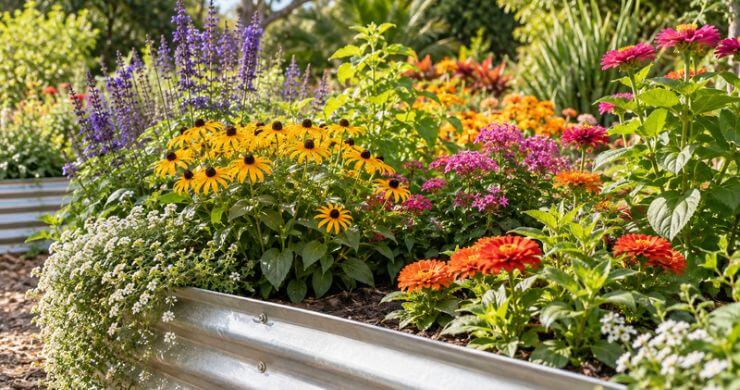
 Key Takeaways Fall is one of the most productive planting seasons in Northeast Florida. Gardeners in Zone 9A/9B can extend color through autumn with reliable perennials like firespike, salvia, and muhly grass, plus cool-season annuals such as snapdragons and pansies....
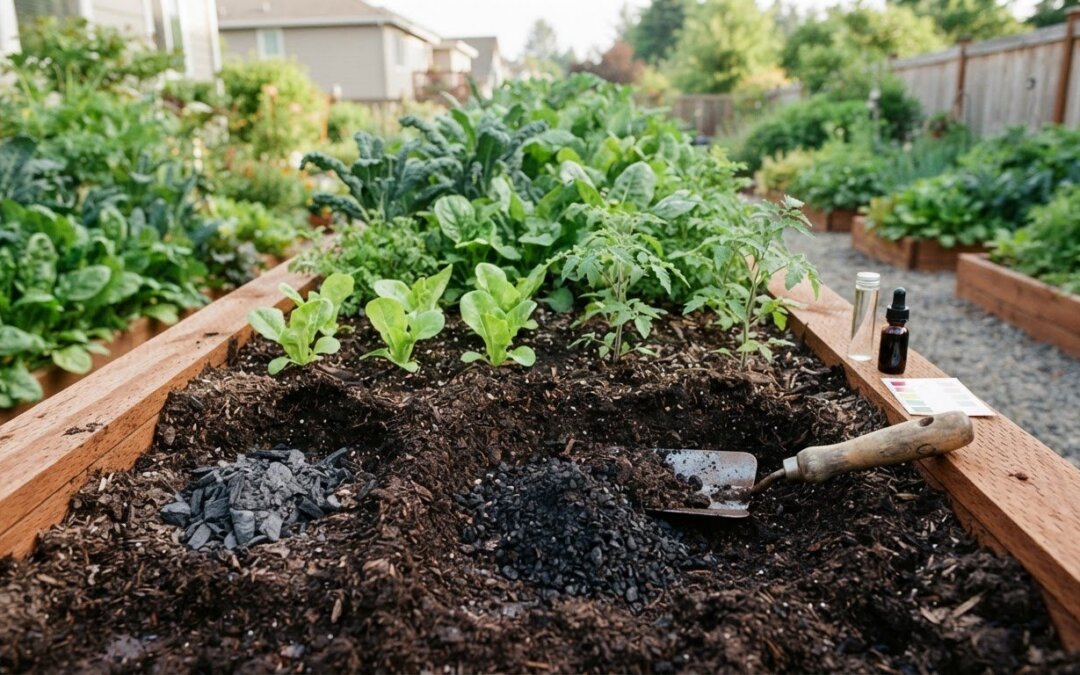 Biochar isn’t a guaranteed win for every garden bed. A biochar soil conditioner for garden beds can help condition soil, but its effect depends on the biochar and the soil it’s added to. For soil incorporation, start with biochar at 5-10% of soil volume, and consider...
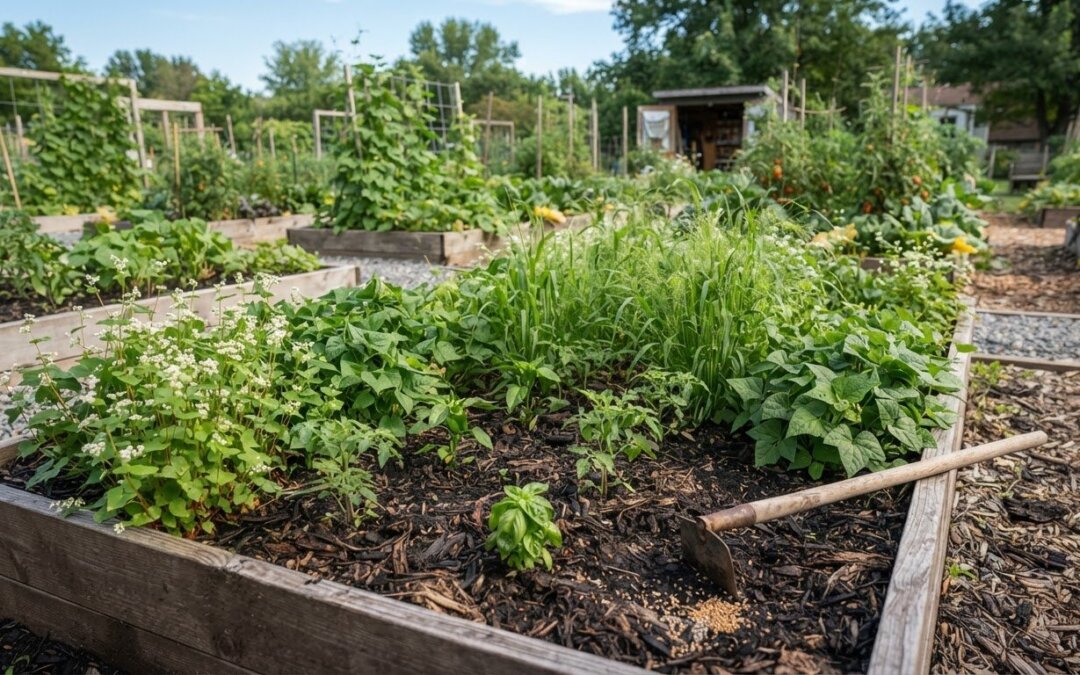 In a warm-climate vegetable garden, the right cover crop depends on your goal and the time between vegetable plantings. Cover crops for warm climate vegetable gardens are planted after the soil warms and frost danger has passed, with choices such as buckwheat,...
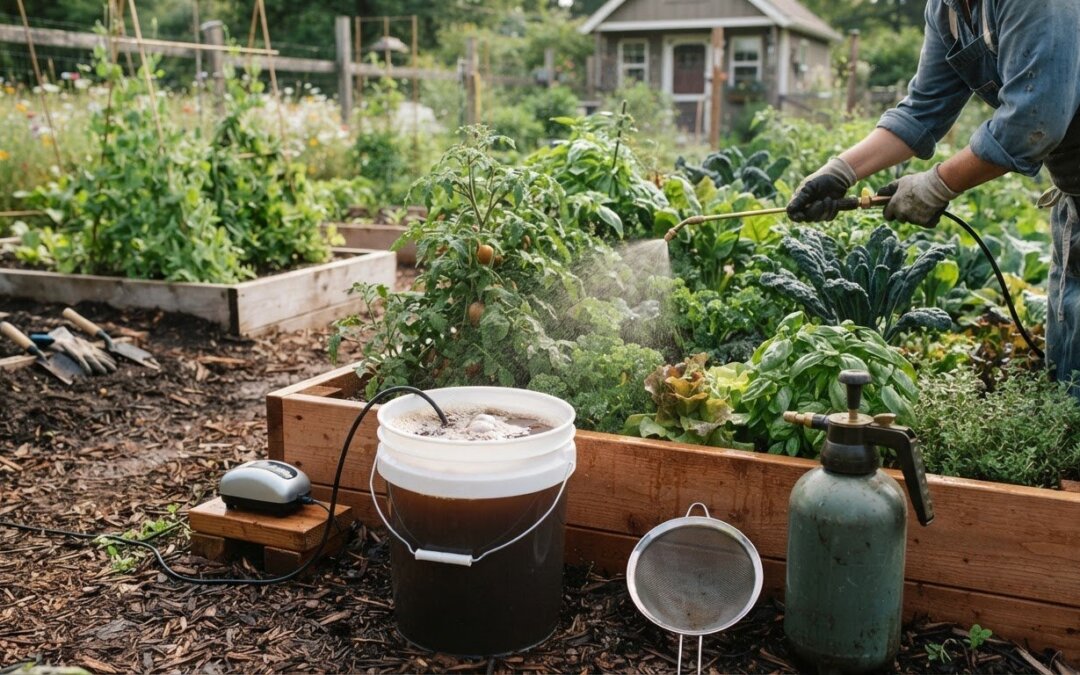 The brew matters, but where you put it matters just as much. To learn how to brew compost tea for vegetables, start with a 5-gallon bucket, 2 cups of fully finished organic compost, 1 tablespoon of unsulfured blackstrap molasses, and 1 tablespoon of liquid kelp...
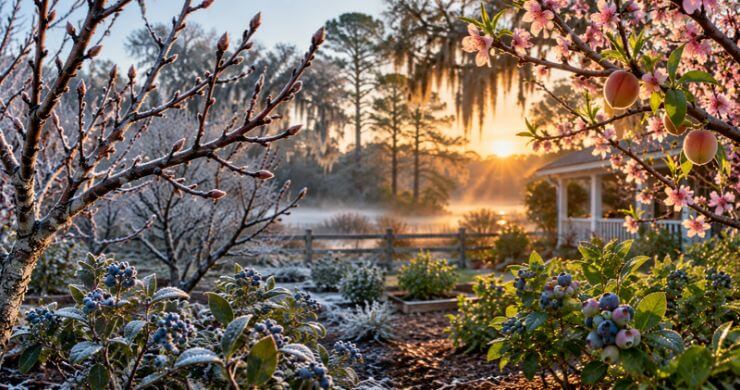 Key takeaways Chill hours are the accumulated winter hours between 32°F and 45°F that deciduous fruit trees need to break dormancy and produce fruit. Northeast Florida averages 540 to 660 chill hours per year, which limits which varieties perform well. Gardeners in...